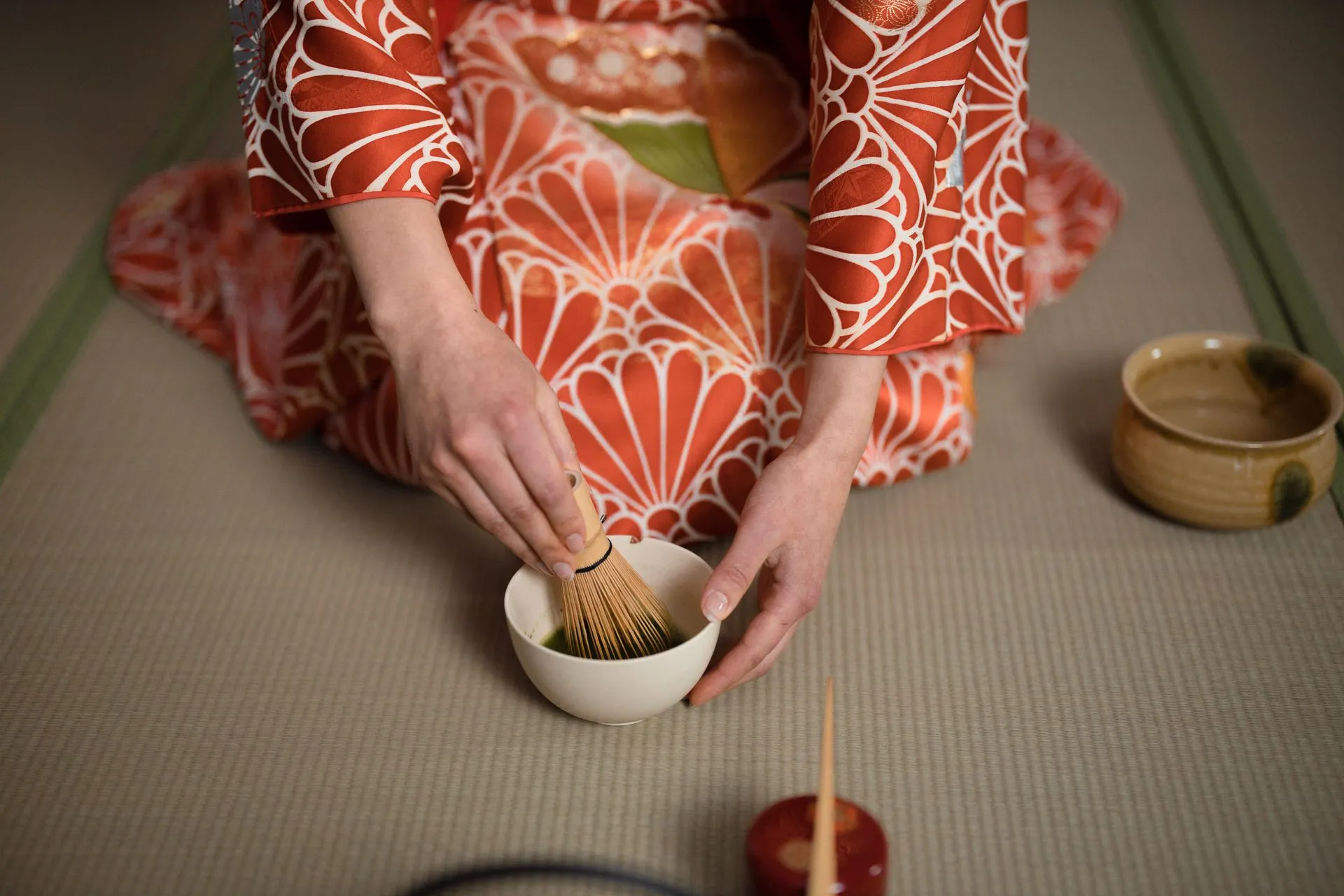
Six Tokyo tea ceremonies compared on what actually differs: kimono or not, tatami or chairs, a tea school or a quick matcha class, from $16 to $62.
What You Should Know
- A Tokyo tea ceremony is a 60 to 90-minute session where a host prepares matcha, explains the etiquette and has you whisk your own bowl. Three of the six offer a kimono: included on two, optional on one.
- All run in daytime, from 9:00am to a last start around 5:00pm, and all but one run daily. Five of the six are in or beside Asakusa, so a ceremony fits easily around Senso-ji.
- Prices run $16 to $62. Ceremonies without kimono cost $35 to $41, those offering a kimono $51 to $62, and a one-hour matcha class, which is not a formal ceremony, costs $16.
- Most ceremonies seat you on tatami, kneeling or cross-legged, and reviewers mention it. If that is a problem, one Asakusa tea school and the matcha class both seat you at tables.
Japanese Tea Ceremonies in Tokyo
A Japanese tea ceremony in Tokyo is a short, hosted session in which a teacher prepares matcha in the formal way, explains what each movement means, and then has you whisk and drink a bowl yourself, usually with a seasonal sweet. The six experiences compared below all share that core. What separates them is everything around it: whether you are dressed in a kimono first, whether you kneel on tatami or sit at a table, and whether you are learning at a tea school or taking a quick matcha class.
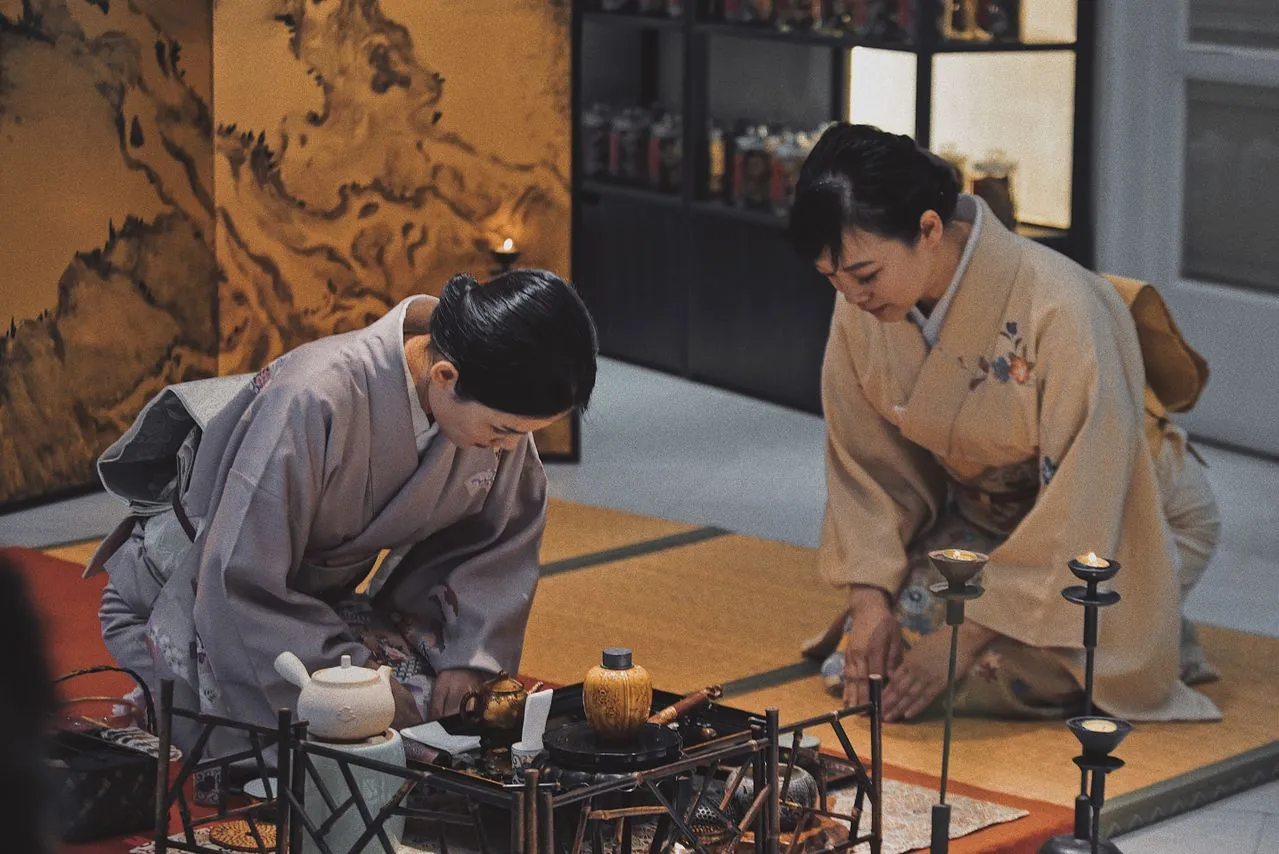
They fall into three broad formats. Kimono tea ceremonies, the format Maikoya is best known for, dress you in a kimono with your hair styled before the ceremony and leave time for photos. Traditional tea room sessions skip the costume and put more weight on the ceremony itself, often in a tatami room with a teacher from a recognised school. Matcha classes teach you to whisk matcha in an hour but are not a formal ceremony. Five of the six run in or beside Asakusa, and one near Yotsuya station. If you are planning a day of hands-on classes, our Tokyo sushi making class comparison covers the other half of that itinerary, and our guide to Tokyo food tours covers eating your way round the same neighbourhoods. For the other side of traditional Tokyo, our Tokyo sumo guide compares tournament tickets, stable practice and shows. For something you make rather than watch, our Tokyo craft workshop comparison covers kintsugi and calligraphy, and our Tokyo samurai experience guide covers the sword and kendo classes. Chair-seated tea ceremonies are one of the picks in our Tokyo for seniors guide.
Maikoya: Kimono Tea Ceremony in Asakusa
Kimono, hairstyling, matcha and sweets in one 90-minute session, with fourteen daily start times and the most reviews of any Tokyo tea ceremony.
Book NowTokyo Tea Ceremonies: Side-by-Side Comparison
| Operator | Price | Online Rating | Ages | Capacity | Duration | Days Offered | Transportation Included | Kimono | Extras |
|---|---|---|---|---|---|---|---|---|---|
| Most Reviewed Maikoya Kimono Tea Ceremony, Asakusa Book Now |
$51 | ⭐ 4.9 (727 reviews) Read Reviews |
7+ | 6 per booking | 1.5 hours | Daily | No, venue in Asakusa | Included, with simple hairstyling | Matcha and sweets; 14 start times from 9:00am to 5:00pm |
| 茶道教室 南風 Tea Ceremony in Asakusa with Kimono Book Now |
$62 | ⭐ 5.0 (223 reviews) Read Reviews |
5+ | 12 | 1.5 hours | Daily | No, 6th floor in Azumabashi | Optional, free | Table seating, no kneeling; two bowls of matcha and wagashi |
| Localized Walking & Food Tours Tea Ceremony at Tokyo Asakusa Book Now |
$35 | ⭐ 5.0 (233 reviews) Read Reviews |
All ages | 15 | 1 hour | Daily | No, Tokyo Tourist Lounge Asakusa, 5F | No | Tatami room; wheelchair accessible; socks required |
| Shizu-Kokoro (静心) Tea Ceremony Workshop, Official Instructor Book Now |
$41 | ⭐ 4.9 (206 reviews) Read Reviews |
5+ | 6 | 1.5 hours | Tue to Sat | No, a house near Tawaramachi station | No | Operator states it is licensed from Urasenke; two matcha, cherry-blossom tea, three sweets |
| Matcha Kimono Tea Ceremony in Tokyo Matcha Kimono Tea Ceremony, Yotsuya Book Now |
$57 | ⭐ 4.9 (111 reviews) Read Reviews |
8+ | 10 | 1.5 hours | Daily | No, meet near Yotsuya station | Included, easy-to-wear | Tools rental, snacks; focus on matcha itself |
| Sushi Making Tokyo Matcha Making Class with Sweets Book Now |
$16 | ⭐ 5.0 (1,365 reviews) Read Reviews |
4+ | 30 | 1 hour | Daily | No, 1 min from Asakusa station | No | Matcha class, not a formal ceremony; table seating |
ℹ️ All experiences and information were checked against current operator listings, availability and recent reviews on October 2, 2026. Prices listed in Japanese yen were converted to US dollars at that day's rate and will move with the exchange rate. Prices and availability may change, so always confirm with the operator before booking.
What to Expect at a Tokyo Tea Ceremony
- 0110 to 15 min early
Find the building
Most studios are upstairs. Note the building name and floor from your confirmation before setting off.
- 02Kimono sessions
Dressing and hair
Choose a kimono, have it fitted and your hair simply styled, then a few photos before the ceremony begins.
- 03Introduction
History and etiquette
The host explains where the tea ceremony comes from and the meaning of each step, often with a sweet first.
- 04The ceremony
The host prepares matcha
Purifying the utensils, whisking and presenting the bowl, with an explanation of how guests receive and turn it.
- 05Your turn
Whisk your own bowl
You whisk and drink your own matcha, with the host correcting your wrist. Japanese sweets come alongside.
- 061 to 1.5 hrs
Photos and finish
Kimono guests often keep the outfit on to walk nearby for photos. Other sessions finish at the tea room.
- 01
Find the building
Most studios are upstairs. Note the building name and floor from your confirmation before setting off.
10 to 15 min early - Kimono sessions02
Dressing and hair
Choose a kimono, have it fitted and your hair simply styled, then a few photos before the ceremony begins.
- 03
History and etiquette
The host explains where the tea ceremony comes from and the meaning of each step, often with a sweet first.
Introduction - The ceremony04
The host prepares matcha
Purifying the utensils, whisking and presenting the bowl, with an explanation of how guests receive and turn it.
- 05
Whisk your own bowl
You whisk and drink your own matcha, with the host correcting your wrist. Japanese sweets come alongside.
Your turn - 1 to 1.5 hrs06
Photos and finish
Kimono guests often keep the outfit on to walk nearby for photos. Other sessions finish at the tea room.
Every session here meets at its own studio, shop or tea room, and none includes hotel pickup. Several are upstairs rooms in ordinary buildings, so the listed floor number matters: the 6th floor in Azumabashi for the chair-seated school, the 5th floor of the Tokyo Tourist Lounge in Asakusa. What typically happens inside is that the host demonstrates and explains the whole sequence first, and only then hands you the whisk, so the hands-on part comes towards the end.
What recent reviewers mention
Across a sample of roughly 180 recent reviews from these six experiences, a few themes recur:
- The host's explanation is what people remember, especially the reasons behind small gestures such as turning the bowl before drinking.
- Whisking your own bowl is harder than it looks, and hosts step in to help; several reviewers admit theirs needed rescuing.
- Kimono dressing is quick and staff do the work, including styling hair, and many guests describe it as the highlight of the session.
- It works for children who are old enough, with families describing children from about seven to their teens engaged throughout, though age limits vary from all ages to eight and over.
- It is calm. Many reviewers book it as a pause in a busy day and describe leaving more relaxed than they arrived.
Who these ceremonies are wrong for
Anyone who wants a deep lesson in matcha will find the kimono sessions light on the tea; the low reviews of the dress-up format come mostly from guests who expected more about how matcha is grown and graded. Solo travellers at the larger shared sessions have occasionally felt the host played to the bigger groups in the room. And if kneeling is genuinely difficult, a tatami session is likely to be uncomfortable by the end; book one of the two table-seated options instead.
Our take (finding the door is the hard part): Across several operators, the most common practical complaint is not the ceremony but locating the venue: an unmarked meeting point in Yotsuya, a Maikoya entrance that is hard to spot before signs go out, buildings where the studio is several floors up. Save the building name and floor before you leave, and allow fifteen minutes.
Best Tea Ceremonies in Tokyo
We compared each experience on the same criteria: review volume and recency, the share of five-star ratings, whether a kimono is included, how you are seated, group size, session length, schedule and price. We only included experiences with at least 100 reviews. Everything here rates 4.9 or 5.0, so the labels describe the traveller each one suits rather than a ranking by score. Our pick reflects the combination of review volume, schedule flexibility, kimono inclusion, location and overall experience, not rating alone.
Maikoya: Kimono Tea Ceremony in Asakusa
Ninety minutes covering kimono dressing with simple hairstyling, photos, then a ceremony in which you whisk your own matcha with Japanese sweets. It has the most reviews of any Tokyo tea ceremony at 727, 96 percent of them five stars, and fourteen daily start times make it the easiest to fit around Asakusa sightseeing. The detail the listing undersells: guests are regularly allowed to keep the kimono on afterwards and walk to Senso-ji for photos, returning it by early evening, so an early slot buys the most time in costume. Bookings cap at six, but the operator notes guests from other sites join the same session.
Check availability茶道教室 南風: Tea Ceremony in Asakusa with Kimono
The ceremony to book if kneeling is a problem: guests sit on chairs at tables, a point reviewers mention with relief. Two bowls of matcha (one made for you, one you whisk), seasonal wagashi and an optional kimono, in a sixth-floor studio in Azumabashi, across the river from Asakusa. Ninety-nine percent of its 223 reviews are five stars, the cleanest record here, and families with young children rate it highly. Two starts daily, at 10:30am and 2:00pm. We'd give it the edge for multigenerational groups: reviewers range from young children to grandparents in their late seventies, and chairs remove the one thing that usually wears older guests down in a tatami room.
Check availabilityShizu-Kokoro: Tea Ceremony Workshop with an Official Instructor
Run by a chado school whose owner is a first-degree instructor and which states it is licensed from the Urasenke Chado School in Kyoto, in a house a few minutes from Tawaramachi station. Two kinds of matcha, a cherry-blossom tea and three sweets, with more time on the history and philosophy of chado than the kimono-led options give it. No kimono for guests, and sessions cap at six, so reviewers often describe being alone or in a pair with the teacher. Tuesday to Saturday only. The house is easy to walk past and the session runs in a fixed order, so a guest who arrived ten minutes late missed one of the teas and a sweet. One recent three-star review calls it introductory, which is fair: it is a workshop, not a full formal tea gathering. We'd lean toward it if you want the meaning more than the photos: with six guests at most, reviewers say every question gets answered, which a full kimono session rarely allows.
Check availabilityLocalized Walking & Food Tours: Tea Ceremony at Tokyo Asakusa
An hour in a tatami room at the Tokyo Tourist Lounge in Asakusa, with demonstration first and then your own bowl. The only option here listed as fully wheelchair accessible, and it takes all ages. No kimono (rental is excluded), and socks are required on the tatami, so bring a pair or buy them at the lounge. Its few critical reviews, all from 2023 and 2024, felt one hour and one style of matcha was thin for the price.
Check availabilityMatcha Kimono Tea Ceremony in Tokyo (Yotsuya)
An easy-to-wear kimono, then a session that goes deeper into matcha itself: grades, how to tell good matcha from poor, and how to prepare it. Reviewers say it is closer to an educational class than a formal ceremony, which suits tea lovers more than ceremony seekers. The meeting point near Yotsuya station is the recurring complaint, with several guests struggling to find it, so message the host before you set off. All children are charged full price, and the minimum age is eight. We wouldn't choose it for a first, classic ceremony; it suits travellers who already drink matcha and want to understand grades and preparation.
Check availabilitySushi Making Tokyo: Matcha Making Class with Sweets
Not a formal tea ceremony, and it does not claim to be: an hour at tables, a minute from Asakusa station, learning to whisk matcha with a set of Japanese sweets. With 1,365 reviews and hourly starts from 10:00am, it is the easy choice if you want the matcha without the ritual, or have under an hour. Reviewers note you can rent a kimono nearby and wear it to the class. We'd shortlist it for a short gap in an Asakusa day: one reviewer timed the hands-on part at about 45 minutes, at a table, which also suits younger children.
Check availabilityIf you want the kimono and the photos, book Maikoya. If you want the ceremony itself to be the point, book Shizu-Kokoro. If kneeling is the worry, book the chair-seated Asakusa school.
Maikoya Tea Ceremony in Tokyo: What to Know Before Booking
Maikoya is the name most people search for, and its kimono tea ceremony in Asakusa is the established Tokyo session, with 727 reviews. The format runs 90 minutes: choose a kimono, have your hair simply styled, take photos, then join a ceremony in which the host explains the steps and you whisk your own matcha with sweets. There are fourteen start times a day, from 9:00am to 5:00pm.
Maikoya also lists a Shinjuku branch and a sweets-making class in Tokyo. We have left both out of this comparison because each has fewer than 100 reviews, too thin a record to weigh fairly against the others.
What reviewers add
- You can usually keep the kimono on, if you go early. Guests describe wearing it out of the building for the rest of the afternoon and walking to Senso-ji for photos, returning it by early evening. One guest warns that the last session of the day cannot leave in costume because the shop is closing.
- It leans toward the experience more than the tea. A few guests expected to learn about matcha itself and found the session centred on dressing, photos and watching the host. If the tea is your interest, the Yotsuya session goes much deeper.
- Sessions are shared. Bookings cap at six, but the operator states that guests from other booking sites join the same session, and reviewers describe groups of up to ten. The main tradeoff is attention: in a full room the host speaks to the group, and a few solo guests have felt the larger parties got more of it.
- The venue can be hard to find. One reviewer recommends leaving extra time, as signs only go out during business hours.
- Children under seven cannot enter the tea ceremony room.
Our take (where Maikoya's low reviews cluster): Ninety-six percent of Maikoya's Asakusa reviews are five stars, and the handful of low ones are about staff interactions and a refused refund rather than the ceremony itself. One guest who booked a private ceremony for two at a far higher price found the room plain for what they paid. The standard shared session is where the record is strongest.
Kimono or Not, Tatami or Chairs: Choosing a Tea Ceremony Format
Every ceremony here teaches you to whisk matcha. The decisions that actually change your morning are these three.
Kimono included, optional or not offered
Three of the six offer a kimono: it is included at Maikoya and the Yotsuya matcha session, and optional (at no extra charge) at the chair-seated Asakusa school. Looking at how these sessions are structured, dressing and photos take a real share of a 90-minute kimono slot before the ceremony starts, so the kimono versions are as much a photo experience as a ceremony. If you only want the tea, the sessions without kimono are cheaper and quieter.
Kneeling on tatami or sitting at a table
A traditional tea room is floor-seated, and on most of these sessions you will kneel or sit on tatami. Reviewers raise it in both directions: some were relieved to find chairs, others found kneeling hard by the end. The 南風 school in Azumabashi seats everyone at tables, and so does the matcha class. Tatami rooms also require socks.
Tea school, ceremony or matcha class
Shizu-Kokoro is a chado school that states it is licensed from Urasenke, and it puts the ceremony and its meaning first. The Tokyo Tourist Lounge tea room is a shorter, relaxed introduction in a tatami room. The kimono sessions add costume and photos around the ceremony. The $16 Asakusa matcha class teaches you to whisk matcha at a table and does not present itself as a formal ceremony.
How Much Does a Tea Ceremony in Tokyo Cost?
Tea ceremonies in Tokyo run from $16 to $62 per person. Every experience here includes the matcha and sweets, so the ticket is close to the full cost; what pushes the price up is the kimono.
The Asakusa matcha making class. An hour at tables learning to whisk matcha with Japanese sweets. Not a formal ceremony, but the cheapest and quickest option.
The $35 tatami tea room at the Tokyo Tourist Lounge and the $41 Shizu-Kokoro workshop. No kimono, 60 to 90 minutes, and the most focus on the tea itself.
Maikoya's kimono ceremony at $51 and the Yotsuya matcha session at $57, both with the kimono included, and the chair-seated Asakusa school at $62, where the kimono is optional.
The kimono is what moves the price most: sessions offering one cost $51 to $62, against $35 to $41 for a ceremony without one. Worth it if photos are part of the point; skip it if the tea is.
Our Take
What we consistently see is that disappointment at a Tokyo tea ceremony comes from booking the wrong format, not from a bad host: the few low reviews are mostly from guests who wanted a lesson in matcha and booked a dress-up session. Decide which of the two you want before you compare prices.
Tips for Your Tokyo Tea Ceremony
- Bring socks. Tatami tea rooms require them, and at least two operators ask you to buy a pair on site if you arrive without.
- Decide on kneeling before you book. Most sessions are on tatami. If that will be uncomfortable, the chair-seated school in Azumabashi and the matcha class are the two table options.
- Check the age limit for children. Limits run from all ages to eight and over. Maikoya does not admit children under seven to the tea ceremony room.
- Book a morning slot in Asakusa and walk to Senso-ji afterwards. On the Maikoya session, guests are often allowed to keep the kimono on for photos at the temple, but it goes back by early evening and the last session of the day cannot leave in costume.
- Arrive on time, not just roughly on time. Ceremonies follow a fixed sequence of teas and sweets, and a late arrival joins wherever the host has reached rather than starting from the beginning.
- Save the building name and floor. Several studios are upstairs or hard to spot from the street, and finding the entrance is the most common complaint across operators.
- Ask before you film. At least one host asks guests not to video the ceremony itself, though photos before and after are encouraged.
- Visiting in February? Our Tokyo in February guide covers February's cold, snow-prone weather, when an indoor tea ceremony makes a good plan, and the plum blossoms to pair it with.
- Plan around Shizu-Kokoro's days. It runs Tuesday to Saturday only, so a Sunday or Monday in Tokyo rules it out.
Where to Stay in Tokyo
Staying in Tokyo or planning a trip? Here are three well-reviewed hotels, with live prices from our booking system. Rooms at the best-rated hotels are usually the first to go, especially in peak season and over holidays, so it's worth locking in your stay before availability fills up.
Compare Live Tokyo Hotel Prices
Live rates for a three-night stay for two adults, checking in about a month from now. Change the dates at checkout and book with instant email confirmation.
- Instant confirmation by email
- Live rates, not brochure prices
- Free cancellation on selected rates
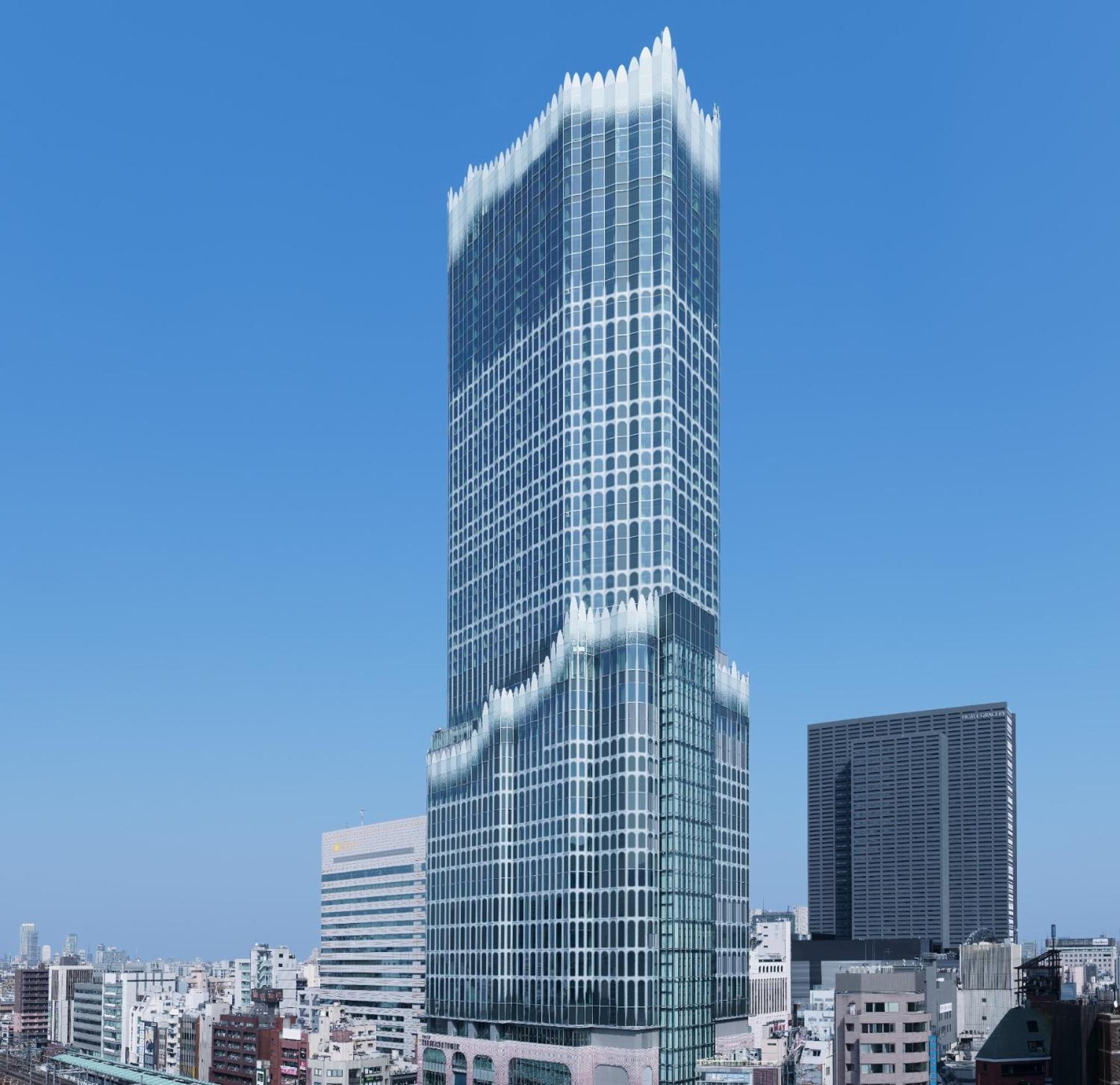


HOTEL GROOVE SHINJUKU, A PARKROYAL Hotel
Rooms from the 18th floor up in the Tokyu Kabukicho Tower, about 700 metres from Shinjuku Station; 9.1 on 3,823 reviews, and its 100 most recent average 9.3, with the views the most praised. There is no real lobby, and Kabukicho's nightlife is right outside.
Book now on:


hotel MONday Asakusa
A simple 3-star about 300 metres north of Senso-ji and a 3-minute walk from the Tsukuba Express; 9.4 on 2,989 reviews, with the location, staff and cleanliness most praised. The lowest rate on this list in every month we sampled; rooms are tight for three, and check-out is at 10 am.
Book now on:


The Tokyo Station Hotel
Inside the 1914 red-brick Tokyo Station building, with a spa and several restaurants; 9.5 on 2,106 reviews, and the highest recent average on this list at 9.6. By far the dearest hotel here, and some rooms overlook the tracks.
Book now on:
Estimated nightly rate for a 3-night stay, 2 adults. Final price on Expedia or Booking.com.Room only. Local taxes and fees are added at checkout and can add roughly 20%.
How We Selected These Tea Ceremonies
The Local Japan Guides team compared every tea ceremony and matcha experience listed in Tokyo on the factors that change the session: whether a kimono is included, whether you kneel or sit at a table, how long it runs, how large the group gets, who teaches it, and what it costs. Each listing was checked against live operator data on October 2, 2026, confirmed active and bookable in Tokyo, and checked for review recency. We set a minimum of 100 reviews, which left out five otherwise well-rated sessions, including Maikoya's Shinjuku branch and its sweets-making class, and we left out a private home visit whose newest review was more than ten months old. We included one matcha class that is not a formal ceremony because it is clearly labelled as a class and is what many searchers actually want. We have not taken these sessions ourselves, and nothing here is written as though we had. Our judgements come from operator listing data and a sample of roughly 180 published guest reviews, out of more than 2,800 across these six listings. Booking links are affiliate links and we may earn a commission if you book through them, at no extra cost to you. No operator paid for inclusion, for a label, or for its position in the table.
Frequently Asked Questions
What is the best tea ceremony in Tokyo?+
The Maikoya kimono tea ceremony in Asakusa is our pick at $51. It runs 90 minutes with kimono, hairstyling, matcha and sweets, has fourteen start times a day, and holds a 4.9 rating from 727 reviews, the most of any tea ceremony in Tokyo.
How much does a tea ceremony in Tokyo cost?+
From $16 to $62 per person. Ceremonies without kimono cost $35 to $41 and those offering a kimono cost $51 to $62. A one-hour matcha class, which is not a formal ceremony, costs $16.
Is Maikoya's tea ceremony in Tokyo worth it?+
For most visitors, yes. Ninety-six percent of its 727 Asakusa reviews are five stars, and guests value the kimono, the clear explanation and being allowed to keep the kimono on for photos afterwards. Sessions are shared, children under seven cannot join, and a few low reviews concern staff interactions rather than the ceremony.
Where is Maikoya in Tokyo?+
The Maikoya kimono tea ceremony compared here runs in Asakusa, a short walk from Senso-ji according to reviewers. Maikoya also lists a Shinjuku branch, which we have not compared here because its review record is still small.
Do I have to kneel at a Japanese tea ceremony in Tokyo?+
At most sessions you sit on tatami, kneeling or cross-legged. The chair-seated tea school in Azumabashi near Asakusa seats everyone at tables, and the Asakusa matcha class does too, so both suit anyone who cannot kneel comfortably.
Can children do a tea ceremony in Tokyo?+
Yes, but limits vary. The Asakusa tea room at the Tokyo Tourist Lounge takes all ages, the matcha class starts at four, two sessions start at five, Maikoya starts at seven and the Yotsuya session at eight.
Is a matcha class the same as a tea ceremony?+
No. A tea ceremony follows the formal sequence of purifying utensils, preparing and presenting the bowl. A matcha class teaches you to whisk matcha, usually at a table and in under an hour. The $16 Asakusa matcha class on this page is the latter and says so.
How long is a tea ceremony in Tokyo?+
Between one hour and 90 minutes. The Tokyo Tourist Lounge tea room and the matcha class run an hour, and the other four sessions, including Maikoya's kimono ceremony, run 90 minutes.
Affiliate note: Some links on this page are affiliate links. If you book through them, we may earn a small commission at no additional cost to you.