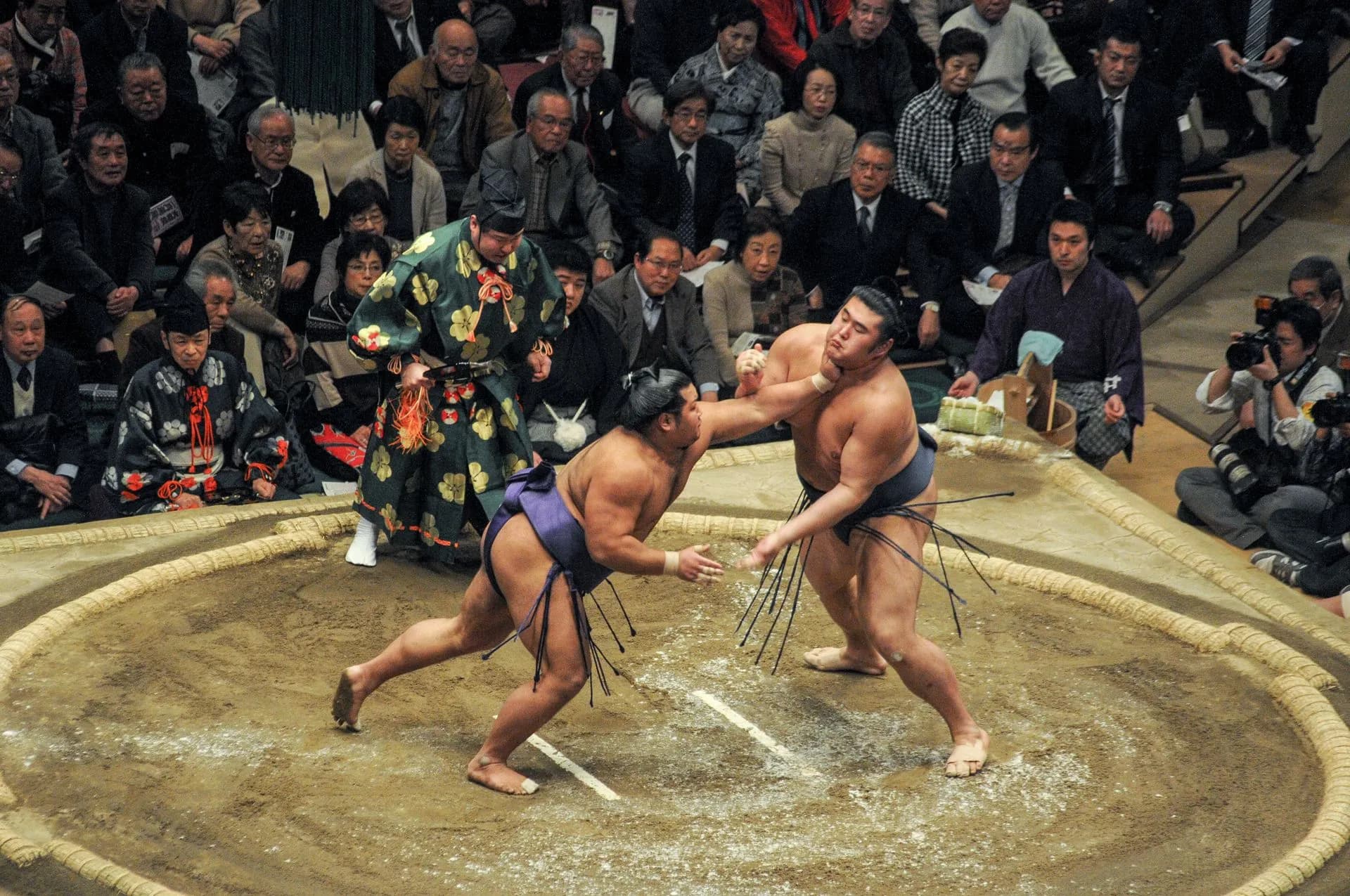
The three ways to see sumo in Tokyo compared: grand tournament tickets, morning practice at a real stable, and year-round shows from $51, with the 2027 tournament dates.
What You Should Know
- Tokyo holds three of the six annual grand tournaments, in January, May and September, 15 days each at Ryogoku Kokugikan. That is 45 days a year when competitive sumo is on.
- The rest of the year, the two options are morning practice at a working stable or a staged show with retired wrestlers. Both are legitimate; they are just not a tournament.
- Stables are homes and workplaces, not attractions. Japan Guide notes they rarely accept visitors without someone fluent in Japanese and familiar with sumo custom, which is why practice visits are booked as guided tours.
- The shows star retired professionals rather than active wrestlers. Several are led by former top-division men, and the demonstration bouts are exhibition rather than competition.
Sumo Wrestling in Tokyo
If you want to watch active wrestlers compete, check the Tokyo tournament dates first. Tokyo holds grand tournaments in January, May and September only. Outside those 45 days there is no competitive sumo in the city, and your choices are morning practice at a working stable or a show with retired professionals.
That is the whole decision in one paragraph, and it is why sumo wrestling in Tokyo means three quite different things. A grand tournament is 15 days of competitive sport in an 11,000-seat arena. Morning practice is an hour in a working stable watching wrestlers train in near silence. A sumo show is 90 minutes with retired professionals who explain the rules, demonstrate bouts and usually feed you.
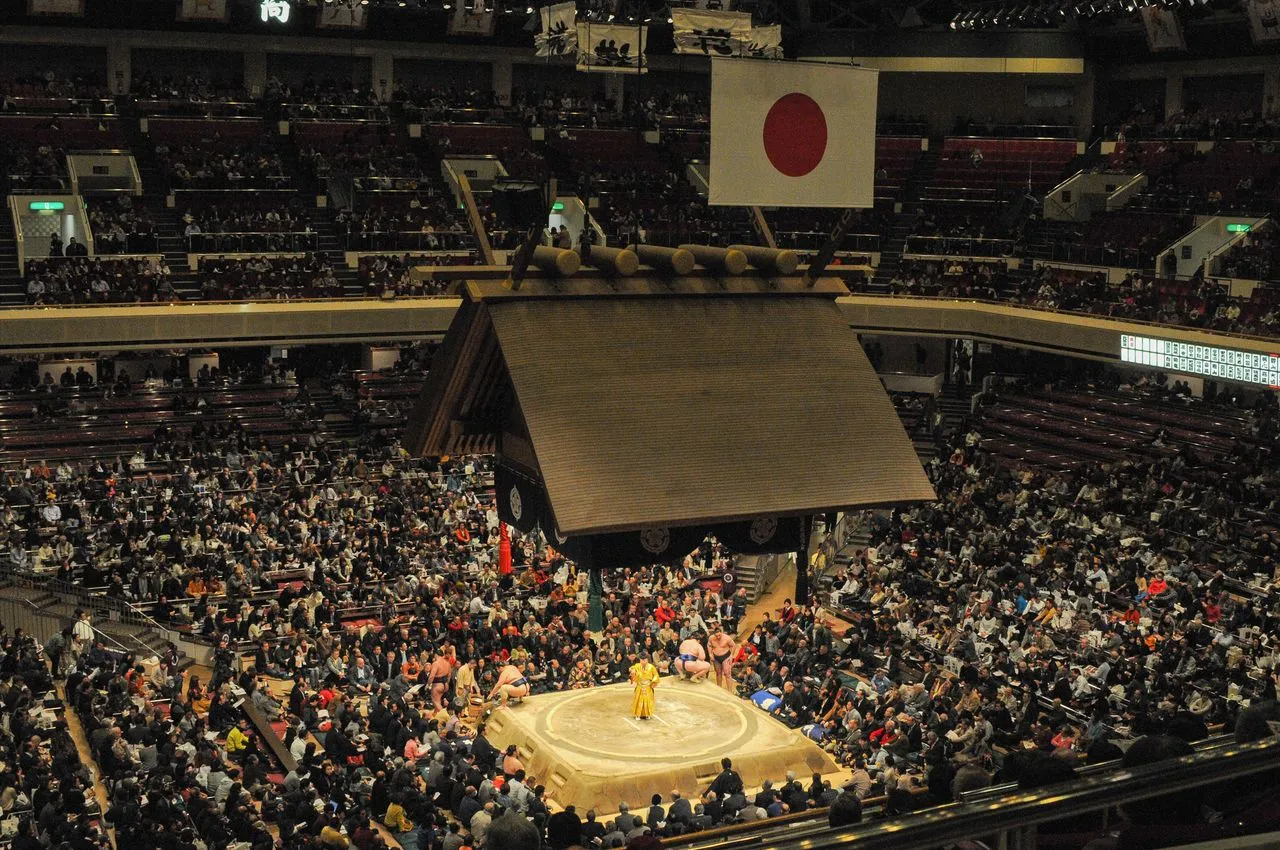
Tokyo is the sport's home. Three of the six annual tournaments are held here at Ryogoku Kokugikan in Sumida ward, and most of the roughly 40 active stables are within a few kilometres of it. That concentration is why Tokyo offers all three formats while other Japanese cities mostly offer one.
The ten experiences compared below run from $51 to $176 and cover all three. If you want more of Tokyo's traditional side, our Tokyo tea ceremony guide covers another one, and our Tokyo food tour comparison includes the chanko nabe the wrestlers actually eat. Several routes in our Tokyo bike tour guide pass Ryogoku Kokugikan, which is an easy way to see the sumo district between bookings. If you would rather take part than watch, our Tokyo samurai experience comparison covers the sword and kendo classes. Sumo is a favourite with children, and our Tokyo with kids guide builds a family day around it; our best things to do in Tokyo guide covers everything else.
Shinjuku Sumo Club: Shinjuku Sumo Show and Experience
Scored on six criteria: availability (daily, year-round), schedule flexibility (five showtimes), review volume (4,697), rating (4.9, with 96 percent at five stars), format (English commentary throughout) and price ($76, mid-range here).
Book NowSumo Experiences in Tokyo: Side-by-Side Comparison
| Operator | Price | Online Rating | Format | Ages | Capacity | Duration | Days Offered | Food Included | Extras |
|---|---|---|---|---|---|---|---|---|---|
| Most Reviewed SHINJUKU SUMO CLUB Shinjuku Sumo Show & Experience Book Now |
$76 | ⭐ 4.9 (4,697 reviews) Read Reviews |
Show | All ages | 30 | 90 min | Daily | Welcome drink only | Five showtimes daily from 10am to 8pm; wrestler challenge by lottery |
| Beauty of Japan the SUMO show at Dosukoi Tanaka Book Now |
$80 | ⭐ 4.9 (2,525 reviews) Read Reviews |
Show and meal | All ages | 12 | 90 min | Daily | Yes, tonkatsu and chanko soup | Retired wrestlers host; single 1:00pm sitting; drinks extra |
| Asakusa Sumo Club Sumo Show with Hot Pot and Geisha Book Now |
$101 | ⭐ 4.8 (1,583 reviews) Read Reviews |
Show and meal | 2+ | 6 | 2 hours | Selected dates | Yes, all-you-can-eat chanko plus a drink | Smallest group here; geisha performance; souvenir gift set |
| Traveling Tokyo Shibuya Sumo Show Book Now |
$51 | ⭐ 5.0 (1,064 reviews) Read Reviews |
Show | All ages | 15 | 90 min | Daily | Bottled water only | Cheapest here; five showtimes from 9:30am; snacks sold at the venue |
| MagicalTrip Inc. Enter the Ring & Chanko Lunch Book Now |
$163 | ⭐ 5.0 (732 reviews) Read Reviews |
Hands-on | All ages | 15 | 4 hr 10 min | Mon to Fri | Yes, a wrestler's lunch | Meets at Shin-Kawasaki, outside central Tokyo; T-shirt included |
| Japan Awaits Ultimate Sumo Tournament Book Now |
$176 | ⭐ 4.9 (580 reviews) Read Reviews |
Tournament | 3+ | 15 | Full day | Tournament days only | No, dinner is an add-on | Real tournament seats with a guide; becomes a stable visit off-season |
| Japanticket Ginza Sumo: Sparring with Champions Book Now |
$76 | ⭐ 4.8 (330 reviews) Read Reviews |
Hands-on | All ages | 30 | 60 to 80 min | Daily | Free chanko | Former top-division instructor; signed shikishi board; card payment only |
| SUMO LAND Ryogoku Show, Hot Pot & Mochi-Pounding Book Now |
$60 | ⭐ 4.9 (330 reviews) Read Reviews |
Show and meal | All ages | 30 | 90 to 120 min | Daily | Yes, meals included | In Ryogoku, the sumo district itself; alcohol extra; eight daily slots |
| MagicalTrip Inc. Morning Practice with Ring-Side Seat Book Now |
$95 | ⭐ 4.9 (133 reviews) Read Reviews |
Morning practice | 12+ | 10 | 2 hours | Daily | No, food excluded | Real stable in Kiyosumi-Shirakawa; 8:30am; photo with wrestlers after |
| Beauty of Japan Watch Morning Practice at a Stable Book Now |
$92 | ⭐ 4.2 (271 reviews) Read Reviews |
Morning practice | 13 to 70 | 15 | 1 hour | Set date windows only | No, food and drink excluded | Runs between tournaments only; meeting point emailed a week ahead; lowest rating here |
ℹ️ All experiences and information were reviewed against current operator listings, availability and recent guest reviews on October 2, 2026. Prices quoted in yen by the operator are converted to US dollars at the rate in use on that date and will move with the exchange rate. Prices and availability may change, so always confirm with the operator before booking.
What to Expect at a Sumo Experience in Tokyo
- 01Before you book
Check the tournament calendar
Tokyo has competitive sumo only in January, May and September. If your dates overlap, the tournament outranks everything else here.
- 028:30am
Morning practice, if you chose it
An early start at a stable in Ryogoku or Kiyosumi-Shirakawa. Sit still, stay quiet, no talking during drills.
- 03Show start
History and rules explained
Hosts open with the origins of the sport, the meaning of the ring rituals and how a bout is actually won.
- 04Mid-show
Demonstration bouts
Retired professionals wrestle several exhibition matches at close quarters, usually with commentary over the top.
- 05Audience slot
Your turn in the ring
Volunteers push against a wrestler. On the busiest shows places are allocated by lottery rather than first come.
- 06Finish
Chanko nabe and photos
The hot pot wrestlers train on, included on five of the ten here, then photographs with the wrestlers.
- 01
Check the tournament calendar
Tokyo has competitive sumo only in January, May and September. If your dates overlap, the tournament outranks everything else here.
Before you book - 8:30am02
Morning practice, if you chose it
An early start at a stable in Ryogoku or Kiyosumi-Shirakawa. Sit still, stay quiet, no talking during drills.
- 03
History and rules explained
Hosts open with the origins of the sport, the meaning of the ring rituals and how a bout is actually won.
Show start - Mid-show04
Demonstration bouts
Retired professionals wrestle several exhibition matches at close quarters, usually with commentary over the top.
- 05
Your turn in the ring
Volunteers push against a wrestler. On the busiest shows places are allocated by lottery rather than first come.
Audience slot - Finish06
Chanko nabe and photos
The hot pot wrestlers train on, included on five of the ten here, then photographs with the wrestlers.
Shows are the easiest to plan around: a fixed venue, a 90-minute run, and up to eight start times a day. Morning practice is the opposite, with a single early slot, a meeting point sometimes confirmed only days ahead, and availability that depends on whether the stable is training that week.
Our take (practice is not a performance): The morning practice sessions carry the lowest rating on this page, and the format explains it rather than the operators. Guests sit on a floor in silence for an hour watching repetitive drills in a room that is not set up for them. People who want that find it the most memorable hour of their trip; people expecting a show find it long. The listings are honest about which it is, and we would read them closely.
At a show, what typically happens is a host introduction in English and Japanese, an explanation of the rules and the ring rituals, several demonstration bouts between retired professionals, an audience challenge where volunteers push against a wrestler, and photographs at the end. Where food is included it usually arrives partway through rather than after.
At a tournament, the day runs from the morning with the lowest divisions and builds towards the top-division bouts in the late afternoon. Most visitors arrive mid-afternoon. The bouts themselves last seconds; the ritual preceding each one, the salt throwing, the stare-downs and the false starts, takes several minutes and is most of what you are watching.
Our take (the wrestlers are retired): Every show on this page is hosted by former professionals, several of them former top-division men, and none features active competitors. The reviews settle this cleanly. Our top pick draws almost no criticism of any kind, and what little it draws is a single idea repeated: people who booked expecting a real fight and got a performance. Retired wrestlers are what make English explanation and safe audience sparring possible. But if watching current professionals compete is the appeal, only the tournament and the practice visits deliver it.
Two practical constraints recur. Minimum ages vary widely, from no limit on most shows to 12 and 13 on the practice visits, with one capping at 70. And a handful of venues are cashless, so a card is worth carrying even in a country where cash still rules.
The Three Ways to See Sumo in Tokyo
Almost every disappointed sumo review comes from booking the wrong format, so it is worth separating them before looking at prices. These are not competing versions of the same thing.
1. A grand tournament
Competitive professional sumo, 15 days at a time, three times a year in Tokyo. You watch active wrestlers from the lower divisions through to the yokozuna, in a packed arena, with the top-division bouts in the late afternoon. This is the real sport, and it is the only format where the outcome matters.
2. Morning practice at a stable
An hour or two inside a working heya watching active wrestlers train, usually from the floor a few metres away. Practice is intense and largely silent, and visitors are expected to sit still and stay quiet. Japan Guide notes that stables are neither public places nor sightseeing spots, and rarely accept visitors who are not accompanied by someone fluent in Japanese and familiar with sumo custom.
3. A sumo show
Ninety minutes to two hours with retired professionals, usually including a rules explanation, demonstration bouts, a chance to push against a wrestler and often a chanko nabe meal. These run daily, year-round, at multiple times. They are theatre rather than sport, but they are the only option that is reliably available whatever week you are in Tokyo.
| If you want... | Format | Availability | From |
|---|---|---|---|
| Competitive sumo that counts | Grand tournament | 45 days a year: Jan, May, Sep | $176 |
| Active wrestlers training up close | Morning practice | Most mornings, stable permitting | $92 |
| To see sumo on any given day | Show | Daily, multiple showtimes | $51 |
| To push against a wrestler yourself | Hands-on show | Daily | $76 |
| Chanko nabe with the experience | Show with a meal | Daily | $60 |
| The cheapest introduction | Show | Daily, five showtimes | $51 |
Is There Sumo in Tokyo When I Visit?
Shows run every day of the year, so the answer is always yes to something. What changes month to month is whether you can watch competitive sumo, and whether stables are in Tokyo and open to visitors. This table maps the 2027 calendar onto what is actually available.
| Month | Competitive sumo in Tokyo | Morning practice | Shows |
|---|---|---|---|
| January | Yes, Hatsu Basho, Jan 10 to 24 | Limited, narrows as the tournament starts | Daily |
| February | No | Yes | Daily |
| March | No, tournament is in Osaka | Reduced, wrestlers travel | Daily |
| April | No | Yes | Daily |
| May | Yes, Natsu Basho, May 9 to 23 | Limited, narrows as the tournament starts | Daily |
| June | No | Yes | Daily |
| July | No, tournament is in Nagoya | Reduced, wrestlers travel | Daily |
| August | No | Yes | Daily |
| September | Yes, Aki Basho, Sep 12 to 26 | Limited, narrows as the tournament starts | Daily |
| October | No | Yes | Daily |
| November | No, tournament is in Fukuoka | Reduced, wrestlers travel | Daily |
| December | No | Yes | Daily |
The morning practice column is the one worth reading closely, because stable access is not continuous. One operator publishes its visiting windows in advance, and for the coming year they cluster in October, December, early January, February, April into early May, and late May into June, each closing as a tournament begins. That pattern is the sumo calendar rather than an operator policy: wrestlers compete during a basho and travel to Osaka, Nagoya and Fukuoka for the three tournaments held outside Tokyo.
So the practical reading is simple. Tournament months are the best time to come if competitive sumo is the point. The months between tournaments are the best time for morning practice. And a show fills any gap, on any date, with up to eight start times a day.
Sumo Tickets in Tokyo: Dates, Seats and Prices
Tokyo hosts three of the six annual grand tournaments, all at Ryogoku Kokugikan, each running 15 consecutive days. Outside those 45 days there is no competitive sumo in the city, which is the single most important fact on this page for anyone searching for tickets.
| Tournament | 2027 Dates | Venue |
|---|---|---|
| Hatsu Basho (New Year) | January 10 to 24 | Ryogoku Kokugikan, Tokyo |
| Natsu Basho (Summer) | May 9 to 23 | Ryogoku Kokugikan, Tokyo |
| Aki Basho (Autumn) | September 12 to 26 | Ryogoku Kokugikan, Tokyo |
| Haru Basho | March 14 to 28 | EDION Arena, Osaka |
| Nagoya Basho | July 11 to 25 | IG Arena, Nagoya |
| Kyushu Basho | November 14 to 28 | Fukuoka Kokusai Center |
ℹ️ Tournament dates and indicative ticket prices compiled from Japan Guide and published 2027 schedules, checked on October 2, 2026. The Japan Sumo Association confirms exact pricing when each tournament's tickets go on sale, so treat the figures below as indicative.
Seat types and what they cost
- Tamari-seki (ringside): floor cushions at the edge of the ring, around ¥20,000. No food, drink or cameras, and wrestlers do land in these seats.
- Masu-seki (tatami boxes): the classic four-person boxes, roughly ¥9,000 to ¥15,000 per person depending on tier and day.
- Isu-seki (arena chairs): Western seating on the second floor, from about ¥3,500 for a weekday C-tier seat up to ¥11,000 or more for SS.
When tickets go on sale
Advance sales open roughly five to eight weeks before each tournament, and Japan Guide notes they usually sell out for all days. The Japan Sumo Association announces each sale date on its official site, so check there before the tournament you want. If your dates land inside a tournament and you want to go, this is one of the few things in Tokyo genuinely worth booking before you fly.
The guided tournament option on this page exists because the official sale is Japanese-language and sells out quickly. It bundles a seat with a guide who explains the ritual as it happens, which matters more than it sounds: most of what you watch in the top division is ceremony.
Ryogoku and Sumida: Where Sumo Actually Lives
Sumo's centre of gravity in Tokyo is Ryogoku, a quiet riverside neighbourhood in Sumida ward on the east bank of the Sumida River. Ryogoku Kokugikan sits a minute from the station, and most of the roughly 40 active stables are clustered within a few kilometres of it, which is why morning practice tours and the Ryogoku-based shows are all within a short walk or ride of each other.
Worth knowing if you are heading there outside tournament season:
- The Sumo Museum sits inside Ryogoku Kokugikan and is free. It rotates exhibits of championship banners, ceremonial aprons and portraits of past yokozuna.
- Chanko restaurants cluster around the station, many run by retired wrestlers serving the same hot pot they trained on. The SUMO LAND experience on this page is in this neighbourhood.
- The Edo-Tokyo Museum is next to the Kokugikan, though it has been closed for major renovation, so check before building a day around it.
- Kiyosumi-Shirakawa, one stop away, is where the MagicalTrip morning practice tour meets, and is better known to most visitors for coffee roasteries than for sumo.
Sumida ward is also where the Sumida River fireworks run each July and where Tokyo Skytree stands, so a sumo morning combines easily with the rest of the ward rather than needing a dedicated trip.
Sumo Experiences in Tokyo, Compared by Type
Grouped by what each one actually delivers rather than ranked one to ten. Our pick comes first because it has by far the deepest review record, and every other label describes the format rather than claiming superiority.
Shinjuku Sumo Club: Shinjuku Sumo Show
Ninety minutes with live English and Japanese commentary, a rules and history explanation, demonstration bouts and a chance to challenge a wrestler, allocated by lottery when more people want it than can be fitted in. The review record is the deepest of any sumo experience in Tokyo and unusually clean with it: 4,507 of its 4,697 ratings are five stars, 96 percent, and across 150 consecutive recent reviews we read, not one fell below four. Five showtimes a day from 10:00am to 8:00pm, every day of the year. The near-universal thread in its few critical reviews is guests who came expecting competitive sumo: the wrestlers are retired professionals and the bouts are exhibition. There is no meal beyond a welcome drink.
Check availabilityTraveling Tokyo: Shibuya Sumo Show
The cheapest sumo on this page and the highest rated of the shows at 5.0 from 1,064 reviews. Same 90-minute format as our top pick with five daily showtimes from 9:30am, in Shibuya rather than Shinjuku. Bottled water is the only inclusion, with snacks and drinks sold at the venue, so it is the most stripped-back option here.
Check availabilityJapan Awaits: Ultimate Sumo Tournament
The only way on this page to watch competitive sumo, with a guide who explains the ritual as it unfolds and seats in the second-floor tiers. It runs on tournament days only, which in Tokyo means January, May and September. Outside those windows the same booking becomes a morning stable visit instead, which the operator states plainly rather than quietly substituting. Dinner is a paid add-on and transport is not included.
Check availabilityMagicalTrip: Morning Practice with Ring-Side Seat
Two hours at a working stable in Kiyosumi-Shirakawa, capped at ten, with a certified guide, a sumo guidebook, the stable entrance fee and a photo with the wrestlers afterwards. An 8:30am start, daily. Rated 4.9 from 133 reviews. This is the closest thing here to watching active professionals train without a tournament ticket, and the minimum age is 12.
Check availabilityMagicalTrip: Enter the Ring & Chanko Lunch
Four hours and ten minutes, a 5.0 from 732 reviews with the cleanest distribution on this page, including stepping into the ring yourself and a wrestler's lunch. One thing the title does not tell you: it meets at Shin-Kawasaki Station, which is outside central Tokyo and about 20 minutes from Shinagawa. Budget the travel time. Runs Monday to Friday from 9:30am, and a T-shirt is included.
Check availabilityBeauty of Japan: the SUMO show at Dosukoi Tanaka
Ninety minutes hosted by retired wrestlers at a tonkatsu restaurant, with tonkatsu and chanko soup included and a group capped at 12, the second smallest here. A 4.9 from 2,525 reviews. There is a single 1:00pm sitting each day, so it anchors your afternoon rather than slotting around it, and drinks are extra.
Check availabilitySUMO LAND: Ryogoku Show, Hot Pot & Mochi-Pounding
The only show on this page actually in Ryogoku, a few minutes from the Kokugikan and the stables, which gives it a context the Shinjuku and Shibuya venues cannot match. Meals and entrance are included and mochi-pounding is added to the usual format. Eight daily time slots across 90 to 120 minutes. Alcohol and bottled water are charged separately.
Check availabilityAsakusa Sumo Club: Show with Hot Pot and Geisha
Capped at six, the smallest group here by some margin, across two hours in Asakusa with all-you-can-eat chicken chanko nabe, a drink, a souvenir set and a geisha performance alongside the sumo. A 4.8 from 1,583 reviews, the lowest-rated of the big-volume shows. It runs on selected dates rather than daily, so check the calendar before planning around it.
Check availabilityJapanticket: Ginza Sumo, Sparring with Champions
Sixty to eighty minutes in Ginza led by a former makuuchi, or top-division, wrestler, with a one-hour workshop, a photo session in a ceremonial kesho-mawashi belt and a signed shikishi board to take home. Free chanko included. Eight time slots daily. One practical note: the venue is cashless, so any on-site payment has to be by card.
Check availabilityBeauty of Japan: Watch Morning Practice at a Stable
An hour watching practice at a working stable, with the entrance fee and photos with the wrestlers included. Two caveats make this the most conditional booking here. It runs only in set date windows between tournaments, with the meeting point emailed about a week ahead, and at 4.2 from 271 reviews it carries the lowest rating on this page, which fits a format where guests are asked to sit silently and the experience is genuinely austere. Ages 13 to 70.
Check availabilityIf two of these appeal equally, decide on format before price. A $51 show and a $176 tournament seat are not cheaper and dearer versions of the same afternoon, and the single most common regret in this category is booking a show while a tournament was running a few stops away.
How Much Does Sumo in Tokyo Cost?
Guided sumo experiences in Tokyo run from $51 to $176 per person. The price tracks format rather than quality: shows are the cheap end, practice visits the middle, and a guided tournament seat the top. Buying a tournament ticket directly from the official sale is cheaper again, from roughly ¥3,500 for an upper-tier weekday seat, but it means navigating a Japanese-language sale that usually sells out.
The Shibuya show at $51, the Ryogoku show with a meal at $60, Shinjuku and Ginza at $76, the Dosukoi Tanaka lunch show at $80 and the Asakusa show with geisha at $101. All run daily, most have several showtimes, and five of them include a meal. This tier is where to look if your dates fall outside a tournament.
The Beauty of Japan stable visit at $92 and the MagicalTrip ring-side tour at $95. Both include the stable entrance fee and photos with the wrestlers; neither includes food. The price buys access rather than production values, and it is the only tier where you watch active wrestlers outside a tournament.
The MagicalTrip four-hour ring experience with lunch at $163 and the guided tournament day at $176. The tournament figure covers a second-floor seat plus a guide, against roughly ¥3,500 to ¥20,000 for an unguided ticket depending on seat type, if you can get one.
For most visitors the $51 to $80 show band is the right call, because it is available on any date and covers the rules, the ritual and a wrestler encounter in 90 minutes. Pay up for the tournament only if your dates genuinely overlap one, and for morning practice only if watching real training in silence sounds appealing rather than slow.
Our Take
The decision that matters here is not which operator but which format, and your dates settle it rather than your budget. If you are in Tokyo during January, May or September, a tournament seat beats everything else on this page. If you are not, the comparison is between a staged show that the reviews show is reliably good, with almost every complaint coming from people who wanted a real fight, and a practice visit that is austere, silent and genuinely real.
Tips for Seeing Sumo in Tokyo
- Check the tournament calendar first. Tokyo's three tournaments run in January, May and September, 15 days each at Ryogoku Kokugikan. In 2027 that is January 10 to 24, May 9 to 23 and September 12 to 26. Everything else on this page is what you do when your dates miss them.
- Book tournament tickets before you fly. Advance sales open five to eight weeks ahead and Japan Guide notes they usually sell out for all days. This is one of the few Tokyo bookings genuinely worth making from home.
- Do not expect active wrestlers at a show. Every show here is hosted by retired professionals. That is what makes the English explanation and the audience sparring possible, but it is not the competitive sport.
- Treat a stable visit as an obligation, not an attraction. Stables are homes and workplaces. Visitors sit still and stay silent, and operators enforce it. Booking through a guide is effectively the only way in.
- Check where "Tokyo" actually means. The four-hour ring experience meets at Shin-Kawasaki, outside the city proper, and the shows are spread across Shinjuku, Shibuya, Ginza, Asakusa and Ryogoku. Match the venue to where you are staying.
- Carry a card as well as cash. At least one venue here is cashless and will not take yen on site, which is the opposite of the usual Japanese problem.
- Mind the age limits. Most shows take all ages, but the practice visits start at 12 and 13, and one caps at 70. The Asakusa show starts at 2.
- If you want the audience challenge, arrive wanting it. On the busiest shows, places to face a wrestler are drawn by lottery rather than given to whoever asks first. One guest noted that their draw came out all male and suggested separate lotteries would balance it, so if it matters to you, worth asking the host how the draw is run before it happens.
- The host carries the show. Across recent reviews of our top pick the single most mentioned element is not the wrestling but the MC, named individually and credited with the history, the jokes and the pacing. It is a 90-minute talk-and-demonstration format, so an engaging host is what you are really paying for.
- Visiting in January? Our Tokyo in January guide covers the January 10 to 24, 2027 tournament alongside the weather, New Year closures and some of the lowest hotel rates of the year.
- Visiting in May? Our Tokyo in May guide covers the May 9 to 23, 2027 tournament alongside Golden Week, the Sanja Matsuri and hotel rates night by night.
- Visiting in September? Our Tokyo in September guide covers the September 12 to 26, 2027 tournament alongside the two holiday weekends, typhoon risk and hotel rates night by night.
- Pair a Ryogoku booking with the free Sumo Museum. It sits inside the Kokugikan and costs nothing, which makes it the obvious companion to any sumo morning in Sumida ward.
Where to Stay in Tokyo
Staying in Tokyo or planning a trip? Here are three well-reviewed hotels, with live prices from our booking system. Rooms at the best-rated hotels are usually the first to go, especially in peak season and over holidays, so it's worth locking in your stay before availability fills up.
Compare Live Tokyo Hotel Prices
Live rates for a three-night stay for two adults, checking in about a month from now. Change the dates at checkout and book with instant email confirmation.
- Instant confirmation by email
- Live rates, not brochure prices
- Free cancellation on selected rates
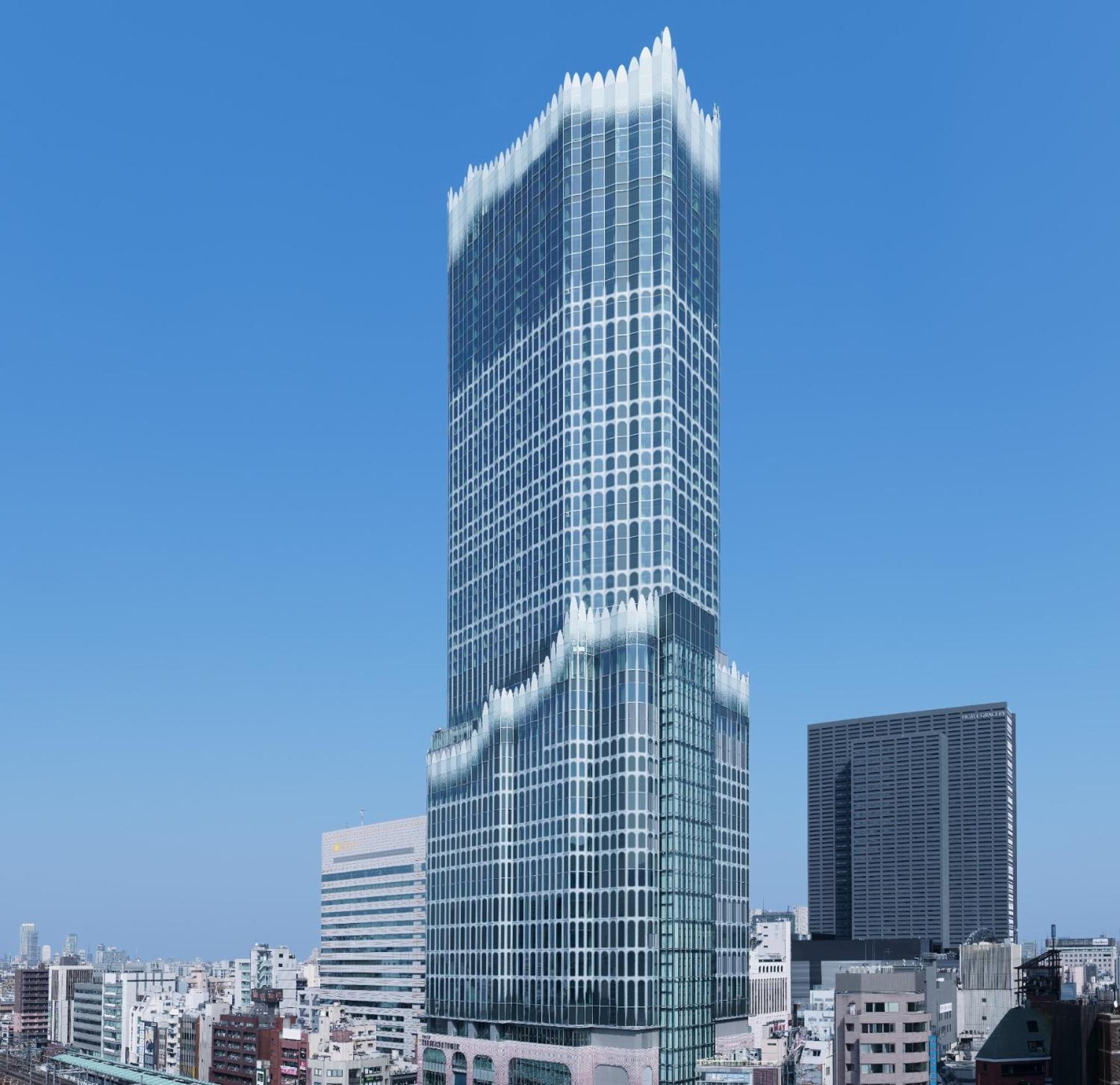


HOTEL GROOVE SHINJUKU, A PARKROYAL Hotel
Rooms from the 18th floor up in the Tokyu Kabukicho Tower, about 700 metres from Shinjuku Station; 9.1 on 3,823 reviews, and its 100 most recent average 9.3, with the views the most praised. There is no real lobby, and Kabukicho's nightlife is right outside.
Book now on:


hotel MONday Asakusa
A simple 3-star about 300 metres north of Senso-ji and a 3-minute walk from the Tsukuba Express; 9.4 on 2,989 reviews, with the location, staff and cleanliness most praised. The lowest rate on this list in every month we sampled; rooms are tight for three, and check-out is at 10 am.
Book now on:


The Tokyo Station Hotel
Inside the 1914 red-brick Tokyo Station building, with a spa and several restaurants; 9.5 on 2,106 reviews, and the highest recent average on this list at 9.6. By far the dearest hotel here, and some rooms overlook the tracks.
Book now on:
Estimated nightly rate for a 3-night stay, 2 adults. Final price on Expedia or Booking.com.Room only. Local taxes and fees are added at checkout and can add roughly 20%.
How We Selected These Experiences
The Local Japan Guides team sorted Tokyo's sumo offering by the thing that actually determines whether it suits you: format. Tournament seats, morning practice at a working stable and staged shows with retired wrestlers are three different products, and we made sure each is represented rather than filling the table with whichever had the most reviews. We verified every listing against live operator data on October 2, 2026, confirming each was active, Tokyo-area and currently bookable, and we checked review recency on each one. Every experience here has reviews from the past six months. Tournament dates and ticket price bands were checked against Japan Guide and published 2027 schedules rather than taken from operator marketing. The ten cover five shows at different price points and in different districts, two morning practice visits, two hands-on ring experiences and one guided tournament day, so you can choose on format and date first and on price second. To be explicit about how this page is made and paid for: we have not attended these experiences ourselves, and nothing here is written as though we had. Our judgements come from operator listing data and published guest reviews. Review counts, ratings and star distributions were captured in a single snapshot on October 2, 2026, so the figures reconcile with each other. Prices quoted in yen were converted at that day's rate and move with the exchange rate. Booking links are affiliate links and we may earn a commission if you book through them, at no extra cost to you. No operator paid for inclusion, for a label, or for its position in the table.
Frequently Asked Questions
Can you watch sumo wrestling in Tokyo?+
Yes, in three ways. Grand tournaments run in January, May and September at Ryogoku Kokugikan. Morning practice at a working stable can be visited most of the year through a guide. Staged shows with retired wrestlers run daily, year-round, from $51.
When is the sumo tournament in Tokyo?+
Tokyo hosts three of the six annual tournaments, each lasting 15 days. In 2027 they run January 10 to 24, May 9 to 23 and September 12 to 26, all at Ryogoku Kokugikan. The other three are in Osaka in March, Nagoya in July and Fukuoka in November.
How much are sumo tickets in Tokyo?+
Official tickets run from roughly ¥3,500 for an upper-tier weekday chair seat to about ¥20,000 ringside, with four-person tatami boxes between. Guided tournament days that include a seat and an English-speaking guide cost about $176. Advance sales open five to eight weeks ahead and usually sell out.
Where do you watch sumo in Tokyo?+
Ryogoku Kokugikan in Sumida ward is the national sumo stadium and hosts all three Tokyo tournaments. Most active stables cluster nearby, so morning practice tours meet in Ryogoku or Kiyosumi-Shirakawa. Shows are more scattered, running in Shinjuku, Shibuya, Ginza, Asakusa and Ryogoku.
Can you see sumo in Tokyo outside tournament season?+
Yes. Tournaments cover only 45 days a year in Tokyo, but morning practice visits and staged shows run through the rest of it. Shows have up to eight start times a day and are available on any date, which makes them the fallback when your trip misses a tournament.
Are the wrestlers at Tokyo sumo shows real?+
They are real professionals, but retired ones, and several are former top-division wrestlers. Active competitors do not appear at tourist shows. That is what allows English explanation and safe audience sparring, though it means the bouts are exhibition rather than competition.
Can you visit a sumo stable in Tokyo?+
Only with a guide, in practice. Japan Guide notes that stables are neither public places nor sightseeing spots and rarely accept visitors unaccompanied by someone fluent in Japanese and familiar with sumo custom. Guided practice visits here cost $92 to $95 and run early in the morning.
Is a sumo show in Tokyo worth it?+
For most visitors outside tournament season, yes. Ninety minutes covers the rules, the ring rituals, demonstration bouts and usually a chanko nabe meal for $51 to $101. If your dates overlap a tournament, a tournament seat is the better use of the money.
Affiliate note: Some links on this page are affiliate links. If you book through them, we may earn a small commission at no additional cost to you.