Ten Tokyo cooking classes compared on price, group size, dishes and dietary options, from a $44 soba class to a $118 ramen-from-scratch day in Akihabara.
What You Should Know
- Ramen and gyoza dominate the Tokyo cooking class market. Five of the ten classes below are built around one or both, which is why a ramen and gyoza cooking class in Tokyo is the easiest kind to book at short notice. If you specifically want to make sushi, that is a different set of classes and we compare them separately.
- Group size varies more than price does, from four guests to twenty. The four-person wagyu class and the twenty-person Shibuya ramen class cost within $41 of each other, so the number of people at your counter is worth checking before the headline figure.
- Dietary requirements are the single biggest dividing line here. The character bento class handles vegan, halal-friendly and gluten-free with three days' notice, while the Akihabara ramen class states plainly that vegan and vegetarian options are not available. Four others sit somewhere in between.
- Nine of the ten are taught in English. The soba class is the exception: its listing says the lecture is conducted mainly in Japanese with translation speakers available in English, French, German and Korean. That is a real difference in how the two hours feel.
Cooking Classes in Tokyo
Tokyo cooking classes run from a 50-minute soba session in a knife-shop district to a four-hour washoku class that starts in a supermarket and ends with lunch you cooked yourself. Prices across the ten classes compared here run from $44 to $118, and what moves that number is rarely the food: it is how long you are in the kitchen, whether a market visit is attached, and whether the class is private.
A cooking class in Tokyo tends to work differently from a food tour. You are usually in a small residential studio rather than a commercial kitchen, often in a neighbourhood you would otherwise never visit (Iriya, Yanaka, Tameike-Sanno), and the recipes are built around ingredients you can buy at home. Most of these classes send you away with a written recipe, and four of them take you shopping first so you know what you are looking at on the shelf.
The classes below are grouped by what you cook rather than by score, because nine of the ten round to 5.0 and the ratings separate almost nothing. If you want to make sushi specifically, our Tokyo sushi making class comparison covers that set of classes in full. If you would rather eat than cook, our Tokyo food tour guide compares the walking options. For a single dish taught in depth, our Tokyo ramen making class comparison goes deeper on broth and noodles, our Tokyo sake tasting guide covers what to drink alongside it, and our Tokyo chopstick making comparison covers making the tools you eat with. To take home the tool rather than the recipe, our Japanese knife workshop guide compares the knife-making classes.
YUCa's Japanese Cooking: Ramen & Gyoza Class with Supermarket Visit
It has 900 reviews at 5.0, which is more than twice the record of any other Tokyo cooking class we found, 98 percent of them at five stars. It covers both ramen and gyoza, builds the soup from scratch rather than from a packet, and caps the class at seven.
Book NowTokyo Cooking Classes: Side-by-Side Comparison
| Operator | Price | Online Rating | What You Cook | Ages | Capacity | Duration | Days Offered | Market Visit | Dietary Options |
|---|---|---|---|---|---|---|---|---|---|
| Most Reviewed 5.0 YUCa's Japanese Cooking Ramen & Gyoza Class with Supermarket Visit Book Now |
$117 | ⭐ 5.0 (900 reviews) Read Reviews |
Home-style ramen and gyoza | 7+ | 7 | 2 hr 30 min | Daily | Yes, optional supermarket tour | Tell them in advance |
| MagicalTrip Washoku 4-Hour Class: From Market to Table Book Now |
$82 | ⭐ 5.0 (375 reviews) Read Reviews |
Miso soup, dashimaki, eggplant dengaku, sushi rolls | 4+ | 7 | 4 hours | Daily | Yes, local supermarket | Notify one day ahead, no guarantee |
| Viyago Shibuya Ramen: Tonkotsu, Shoyu & Miso Book Now |
$111 | ⭐ 5.0 (224 reviews) Read Reviews |
Fresh noodles and three broths | 6+ | 20 | 1 hr 30 min | Daily | No | Vegan broth on the menu |
| Cooking Sun Wagyu Beef and 7 Japanese Dishes Book Now |
$70 | ⭐ 5.0 (201 reviews) Read Reviews |
Eight dishes, appetisers to dessert, with wagyu | 6+ | 4 | 3 hours | Daily | No | Not stated |
| MagicalTrip Night Cooking: 5 Home-Cooked Dishes Book Now |
$76 | ⭐ 5.0 (176 reviews) Read Reviews |
Izakaya plates: sushi rolls, egg rolls, miso eggplant | 6+ | 7 | 3 hours | Daily, 5:30pm | Yes, shopping included | Vegetarian welcome, not vegan or gluten-free |
| Tokyo Cute Bento Character Bento Class (Kyaraben) Book Now |
$48 | ⭐ 5.0 (167 reviews) Read Reviews |
A decorated character bento box | 6+ | 12 | 2 hours | Daily | No | Vegan, halal-friendly, gluten-free (3 days' notice) |
| Patia's Japanese Cooking Class Ramen from Scratch + Akihabara Tour Book Now |
$118 | ⭐ 5.0 (140 reviews) Read Reviews |
Jiro-style ramen from scratch | 5+ | 12 | 3 hr 30 min | Mon to Fri | Yes, grocery store tour | No vegan or vegetarian option |
| Traveling Spoon Private Class with Emi: 3 Home Dishes Book Now |
$85 | ⭐ 5.0 (136 reviews) Read Reviews |
Choose three: oyakodon, okonomiyaki, gyoza, onigiri | 12+ | 5, private | 3 hours | Mon, Tue, Wed, Sat | No | Vegetarian on request, menu may change |
| Luna Nueva Ramen & Dumpling Cooking Book Now |
$79 | ⭐ 5.0 (124 reviews) Read Reviews |
One bowl of ramen and five gyoza | All ages | 8 | 2 hours | Daily | No | Vegetarian ramen on the menu |
| Sobagiri Rakujyo Big Soba Knife Class, Kappabashi Book Now |
$44 | ⭐ 4.9 (109 reviews) Read Reviews |
Hand-cut soba noodles | 3+ | 6 | 50 min | Daily | No | Three vegan soba dishes |
Prices and ratings read from live operator data on October 2, 2026. Figures quoted by operators in yen were converted at that day's rate and move with the exchange rate. Ratings are rounded to one decimal place, which is why nine of the ten read 5.0.
What to Expect in a Tokyo Cooking Class
- 01On arrival
Meet at a station or studio door
All ten meet at a fixed point rather than offering pickup. Several are in residential buildings that are genuinely hard to find: Cooking Sun says so in its own listing, and the bento studio is on the B1 level behind a panda sign. Allow ten minutes more than the map suggests.
- 02First 30 min
Shop for the ingredients
On four classes you start in a supermarket or grocery store, learning how to read labels and pick fish, vegetables and seasonings. This is the part people say changed how they shop at home, and it is the main thing the four-hour washoku class buys you over the two-hour ones.
- 03Prep
Prep and knife work
Aprons and tools are provided on every class that mentions them. Expect to be handed a Japanese knife for vegetable prep, and in the soba class, a very large one. No experience is assumed on any of these ten.
- 04Main hour
Cook the main dish
This is the hour that differs most. Ramen classes build broth and often press or cut noodles from flour; the washoku classes run several dishes in parallel; the bento class is assembly and decoration rather than heat.
- 05Final 30 min
Eat what you made
Nine of the ten include the meal you cook. The soba class is the exception: its listing includes snacks and excludes meals, so you taste your noodles rather than sit down to lunch. The evening class adds three drinks.
- 06Before you go
Take the recipes home
Most hand over written or digital recipes, and the Shibuya ramen class emails them afterwards. Several classes specifically build the recipes around ingredients you can find outside Japan, which is the stated point of the izakaya night class.
- 01
Meet at a station or studio door
All ten meet at a fixed point rather than offering pickup. Several are in residential buildings that are genuinely hard to find: Cooking Sun says so in its own listing, and the bento studio is on the B1 level behind a panda sign. Allow ten minutes more than the map suggests.
On arrival - First 30 min02
Shop for the ingredients
On four classes you start in a supermarket or grocery store, learning how to read labels and pick fish, vegetables and seasonings. This is the part people say changed how they shop at home, and it is the main thing the four-hour washoku class buys you over the two-hour ones.
- 03
Prep and knife work
Aprons and tools are provided on every class that mentions them. Expect to be handed a Japanese knife for vegetable prep, and in the soba class, a very large one. No experience is assumed on any of these ten.
Prep - Main hour04
Cook the main dish
This is the hour that differs most. Ramen classes build broth and often press or cut noodles from flour; the washoku classes run several dishes in parallel; the bento class is assembly and decoration rather than heat.
- 05
Eat what you made
Nine of the ten include the meal you cook. The soba class is the exception: its listing includes snacks and excludes meals, so you taste your noodles rather than sit down to lunch. The evening class adds three drinks.
Final 30 min - Before you go06
Take the recipes home
Most hand over written or digital recipes, and the Shibuya ramen class emails them afterwards. Several classes specifically build the recipes around ingredients you can find outside Japan, which is the stated point of the izakaya night class.
Most of these classes follow the same shape, whatever the dish. The main variable is whether a market visit is bolted onto the front, which four of the ten include.
Our take (the room matters more than the recipe): The thing that separates these classes is not the dish, it is whether you are cooking in somebody's home or in a teaching studio. Our top pick, the private class and several others run out of a host's own kitchen, and the reviews of those read differently: guests talk about the host's family, the neighbourhood and being given a specific job. The larger studio classes get strong reviews too, but for the food rather than the afternoon. We would decide which of those two things you are buying before comparing prices.
Best Cooking Classes in Tokyo
Ordered by how confidently we would book them. Our pick leads on review depth and on covering two dishes rather than one, which is the same evidence quoted in its card rather than a separate judgement. Nine of the ten round to 5.0, so the labels below describe what each class actually is rather than ranking them by score. The two questions worth settling before price are what you want to cook and how many people you are happy to cook alongside.
YUCa's Japanese Cooking: Ramen & Gyoza Class
The deepest review record of any Tokyo cooking class we found, 900 reviews at 5.0 with 98 percent at five stars. You make both dishes rather than one, and the listing is specific that the soup is built from scratch and not from an instant packet. Guests confirm that in detail: reviewers list preparing the broth, making the tare, cooking and seasoning the chashu pork and the eggs, the aroma oil and the noodles, then assembling the bowl, plus pleating the gyoza by hand. One guest who takes a cooking class in every country they visit noted that the easy classes they had taken elsewhere were easy because of shortcuts and pre-prepared components, and that this one did every step. The class runs in the host's own home kitchen studio and her husband co-hosts; guests describe groups of six or seven, each given a job. The caveats are the price, the second highest here, that dietary restrictions have to be raised at booking rather than on the day, and the location: one guest put it at about an hour from Shinjuku, though another notes the bus stop is directly outside.
Check availabilityMagicalTrip: Washoku 4-Hour Class, Market to Table
Four hours, four dishes and a supermarket visit for $82, which is the strongest value on this page by time in the kitchen. You cook miso soup, dashimaki rolled egg, eggplant dengaku and sushi rolls, and the class starts with a walk round a local supermarket learning how to pick fish, vegetables and seasonings. Ingredients, photos, lunch and tea are all in the fare. It meets at Iriya station, a quiet neighbourhood near Asakusa. Worth knowing: it covers sushi rolls as one of four dishes, so if sushi is the main thing you want to learn, a dedicated sushi class is the better buy. Allergies need a day's notice and the operator does not guarantee allergy-free food.
Check availabilityCooking Sun: Wagyu Beef and 7 Japanese Dishes
Eight dishes from appetisers to dessert in three hours, capped at four guests, for $70. That is the smallest class here and the lowest price of anything running three hours or more, a combination nothing else on this page matches. Wagyu is the centrepiece and the rest moves through seasonal Japanese dishes, with recipes, apron and towel rental and ingredients included. Instructors are described as English-speaking locals. Two practical notes: the studio sits in a residential area and the operator warns it is hard to find, so leave margin, and the 9:30am start makes this a morning commitment rather than an afternoon one.
Check availabilityTokyo Cute Bento: Character Bento Class
The only class here that commits to vegan, halal-friendly and gluten-free versions, with three days' notice. It is also the cheapest class over an hour, at $48 for two hours. You build a kyaraben, a decorated character bento box, with ingredients, tools, an apron, visual guides and an English recipe provided, and you eat what you make at the studio. Instruction is in English, with Japanese on request. Three start times daily make it the easiest class to slot into a busy day. It is a decorating class more than a cooking one, which is the point for families and a mismatch for anyone wanting knife work or broth.
Check availabilityTraveling Spoon: Private Class with Emi
The only genuinely private class on this page, hosted by Emi in one of two private studios, for up to five people at $85 each. You pick any three dishes from a list that includes oyakodon, okonomiyaki, gyoza, onigiri and grilled salmon with hijiki and edamame, so the menu bends to what your group actually wants to learn. Family recipes and alcoholic drinks are included. Emi will accommodate vegetarians, though the listing notes the whole group's menu may change as a result. It runs Monday, Tuesday, Wednesday and Saturday only, at 10:30am or 5:00pm, and the minimum age is twelve, the highest here. This is the most host-dependent booking on the page: Emi is named personally in 26 of the 27 recent reviews we read, and several guests single out the oyakodon as the dish to pick.
Check availabilityViyago: Shibuya Ramen, Tonkotsu, Shoyu & Miso
Ninety minutes, three broths and fresh noodles made from flour, in Shibuya, with five start times a day from 10:00am to 6:30pm. If ramen is the only thing you came to make, this is the most concentrated version of it, and a vegan broth sits on the menu alongside the tonkotsu, shoyu and miso. A digital recipe follows after the class. The trade-off is the room: it takes up to twenty guests, by far the largest group here, so expect a class rather than a kitchen table. At $111 for ninety minutes it is also the highest hourly rate on this page. Guests know the venue as Ramen Dojo, name their instructor rather than the brand, and the most repeated practical tip is to turn up hungry: you taste across the broths rather than eating one bowl.
Check availabilityMagicalTrip: Night Cooking, 5 Home-Cooked Dishes
The only evening class here, starting at 5:30pm daily, and built around izakaya drinking culture rather than a formal lesson. You cook five small plates designed to go with alcohol (sushi rolls, Japanese egg rolls, eggplant with miso, chicken balls with shiso) and three cans of beer, sake or soft drinks come with it. A shopping stop, photos and ingredients are included. Vegetarians are welcome but the listing states it does not work for vegan or gluten-free diets. Note the age bands: children from six are accepted, but the adult band starts at twenty, so this is an awkward fit for older teenagers. One further caveat, and it is the only critical review we found across the whole page: a guest in September 2026 described a guide running the shopping stop, the teaching, the questions and the clean-up single-handed, and felt the evening suffered for it. Against 176 reviews that is an outlier, but it points at a staffing model worth knowing about.
Check availabilityPatia's: Ramen from Scratch + Akihabara Tour
The most expensive class here and the most involved: three and a half hours making Jiro-style ramen from scratch, starting with a grocery store tour and meeting at JR Akihabara's central ticket gate at 11:00am. Jiro-style is the heavy, garlic-forward, thick-noodle school of ramen, which is a deliberate choice rather than a generic bowl. Lunch and downloadable photos are included and the group caps at twelve. Two constraints matter: it runs Monday to Friday only, so it is off the table for a weekend trip, and the listing states that vegan and vegetarian options are not available.
Check availabilitySobagiri Rakujyo: Big Soba Knife Class
Fifty minutes and $44 to hand-cut your own soba in Kappabashi, Tokyo's kitchenware district, where the knives on the street outside are the point. Three start times daily, groups of six, ages from three, and a menu that runs from wagyu sukiyaki soba to three vegan options. Two things set it apart from everything else here, and both are in the listing: it is the one class not taught primarily in English, with the lecture conducted mainly in Japanese and translation speakers offered in English, French, German and Korean; and it includes snacks rather than a meal, so treat it as an hour's craft rather than lunch. The review record backs the language point up rather than contradicting it: about a quarter of its reviews over the past year are written in Japanese, where every other class on this page runs at 93 percent English or higher. English-speaking guests still rate it well and describe clear, detailed instruction, so this is a question of atmosphere rather than of whether you will cope.
Check availabilityLuna Nueva: Ramen & Dumpling Cooking
Two hours, a bowl of ramen and five gyoza, taught by a professional ramen chef, with three start times daily at 9:00am, noon and 3:00pm. It is the most straightforward version of the ramen-and-gyoza class on this page: no market visit, no tour attached, groups of eight, and lunch included. A seasonal vegetarian ramen sits on the menu, which several of the ramen classes here do not offer. All ages are accepted. If our top pick is booked out, this covers the same two dishes for $38 less, in a shorter class and without the supermarket walk.
Check availabilityPrices are per person and were read from live operator data on October 2, 2026. Amounts quoted by operators in yen were converted at that day's rate, so they move with the exchange rate.
Which Tokyo Cooking Class Should You Book?
The ten classes split cleanly by what you want out of the session. This table maps the usual deciding factors onto the class that answers them, using the listing data in the comparison above.
| If you want… | Book | Price | Because |
|---|---|---|---|
| Ramen and gyoza in one class | YUCa's Japanese Cooking | $117 | Both dishes, broth from scratch, 900 reviews at 5.0 |
| The same two dishes for less | Luna Nueva | $79 | Two hours, ramen and five gyoza, taught by a ramen chef |
| A full Japanese home menu | MagicalTrip Washoku | $82 | Four dishes plus a supermarket walk, four hours |
| The smallest possible class | Cooking Sun | $70 | Capped at four guests, eight dishes including wagyu |
| To cook in the evening | MagicalTrip Night Class | $76 | Only 5:30pm start here, five izakaya plates and drinks |
| Vegan, halal or gluten-free | Tokyo Cute Bento | $48 | All three catered with three days' notice |
| A private kitchen | Traveling Spoon | $85 | Private host, you choose three dishes from a list |
| Serious ramen technique | Patia's | $118 | Jiro-style from scratch over 3.5 hours, weekdays only |
| Ramen and nothing else | Viyago Shibuya | $111 | Three broths and fresh noodles in 90 minutes |
| An hour and the lowest price | Sobagiri Rakujyo | $44 | 50-minute soba class, snacks rather than a meal |
Two classes on this page include sushi rolls among their dishes (the MagicalTrip washoku class and its night class), but neither is a sushi class in the proper sense. If making sushi is the reason you want to book, our Tokyo sushi making class guide compares the classes built around it.
What a Tokyo Cooking Class Costs
The ten classes here run from $44 to $118. Price tracks time in the kitchen and whether a market visit or a meal is attached far more closely than it tracks the food itself.
Our take (per hour, the cheap ones are not the cheap ones): Divide the fare by the time and the table rearranges itself. The 90-minute Shibuya ramen class at $111 works out dearest per hour on this page, while the four-hour washoku class at $82 is the cheapest per hour of anything running over two hours, at about $21. That does not make one better than the other, since a short class is the right answer on a packed day. It does mean the headline price tells you very little on its own.
Under $50
Two classes. The 50-minute soba class at $44 and the two-hour character bento class at $48. Both are short, both cap the ambition, and the soba class includes snacks rather than a meal. The bento class is the better value of the two if you want a full session.
$70 to $85
The sweet spot. Cooking Sun at $70 for eight dishes in a group of four, the night izakaya class at $76, Luna Nueva's ramen and gyoza at $79, the private class with Emi at $85 and the four-hour washoku class at $82. Everything in this band runs two hours or more and includes the meal.
Over $110
Three classes, and what you are paying for differs in each. Viyago's $111 buys 90 minutes and three broths, our $117 top pick buys two dishes and the deepest review record, and Patia's $118 buys 3.5 hours and a grocery tour. Only one of the three is longer than three hours.
What is rarely included
None of the ten includes hotel pickup, and three exclude it explicitly. Budget for the train to a residential neighbourhood. Alcohol is included on two classes (the night class and the private one) and excluded everywhere else.
Prices read from live operator data on October 2, 2026, per person. Amounts quoted in yen were converted at that day's rate and move with it.
Our Take
If we were booking one of these for ourselves, we would start from the dietary question rather than the dish, because it is the only variable here that can rule a class out entirely after you have paid. One of the ten states plainly that it has no vegan or vegetarian option, another rules out vegan and gluten-free while welcoming vegetarians, one needs three days' notice to do it properly, and one cannot guarantee allergy-free food at all because the kitchen is shared. Everything else on this page, the price, the length, even the group size, is a preference you can live with. That one is not.
Tips for Booking a Tokyo Cooking Class
- Raise dietary needs when you book, not on the day. The bento class needs three days' notice for vegan, halal-friendly or gluten-free. The washoku class wants one day and still does not guarantee allergy-free food, because it is prepared in a shared kitchen. Two classes rule out vegan entirely.
- Check the age bands, not just the minimum. They are unusually specific here. The night izakaya class takes children from six but its adult band starts at twenty, the private class starts at twelve, and the soba class accepts children from three.
- Two classes are not available every day. Patia's runs Monday to Friday, and the private class with Emi runs Monday, Tuesday, Wednesday and Saturday. The other eight run daily.
- Allow extra time to find the studio. Several are in residential buildings or basements. Cooking Sun states in its own listing that the studio is difficult to find, and the bento class gives a panda sign as the landmark.
- If you want a specific dish, read the menu rather than the title. Two classes titled as Japanese cooking include sushi rolls, one ramen class is specifically Jiro-style rather than a standard bowl, and the soba class lets you pick the broth from a list of ten.
- Visiting in January? Our Tokyo in January guide covers the cold, dry weather that makes an indoor class a good plan, and the New Year days when many businesses close.
- Morning is the default. Eight of the ten have a start time between 9:00am and 11:00am, and only one runs exclusively in the evening. If you want to cook after sightseeing, the options narrow to the 5:30pm izakaya class, the 5:00pm private slot, or Viyago's 6:30pm ramen session.
Where to Stay in Tokyo
Staying in Tokyo or planning a trip? Here are three well-reviewed hotels, with live prices from our booking system. Rooms at the best-rated hotels are usually the first to go, especially in peak season and over holidays, so it's worth locking in your stay before availability fills up.
Compare Live Tokyo Hotel Prices
Live rates for a three-night stay for two adults, checking in about a month from now. Change the dates at checkout and book with instant email confirmation.
- Instant confirmation by email
- Live rates, not brochure prices
- Free cancellation on selected rates
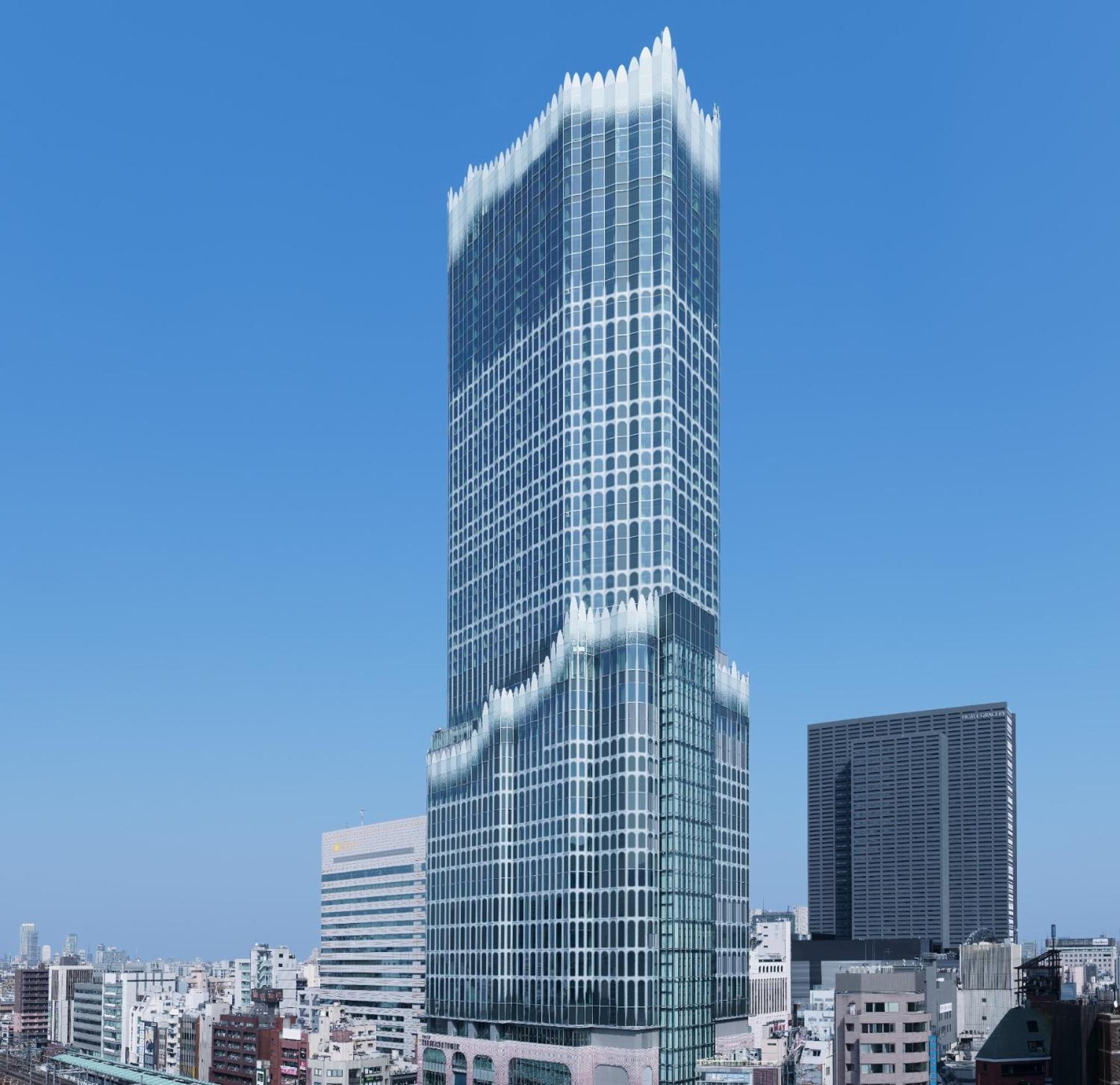


HOTEL GROOVE SHINJUKU, A PARKROYAL Hotel
Rooms from the 18th floor up in the Tokyu Kabukicho Tower, about 700 metres from Shinjuku Station; 9.1 on 3,823 reviews, and its 100 most recent average 9.3, with the views the most praised. There is no real lobby, and Kabukicho's nightlife is right outside.
Book now on:


hotel MONday Asakusa
A simple 3-star about 300 metres north of Senso-ji and a 3-minute walk from the Tsukuba Express; 9.4 on 2,989 reviews, with the location, staff and cleanliness most praised. The lowest rate on this list in every month we sampled; rooms are tight for three, and check-out is at 10 am.
Book now on:


The Tokyo Station Hotel
Inside the 1914 red-brick Tokyo Station building, with a spa and several restaurants; 9.5 on 2,106 reviews, and the highest recent average on this list at 9.6. By far the dearest hotel here, and some rooms overlook the tracks.
Book now on:
Estimated nightly rate for a 3-night stay, 2 adults. Final price on Expedia or Booking.com.Room only. Local taxes and fees are added at checkout and can add roughly 20%.
How We Selected These Classes
The Local Japan Guides team judged Tokyo cooking classes on what decides whether two hours in a stranger's kitchen is worth the fare: what you actually cook, how many people you cook with, whether the meal is included, and whether the class can accommodate how you eat. We compared price, duration, group size, age bands, dish menus, dietary options, language of instruction, schedule and review volume. The labels on each card describe what that class is rather than ranking it by score, because nine of the ten round to 5.0 and the ratings separate almost nothing between them. We deliberately excluded sushi-making classes from this page. They are a distinct search and a distinct set of operators, and we compare them on a separate page rather than ranking them twice. Two classes here include sushi rolls among several dishes, and we have said so on both. We verified every listing against live operator data on October 2, 2026, confirming each was active, Tokyo-based and currently bookable, and we checked review recency on each one. All ten had reviews within the last three months. Six further classes were reviewed and left out as duplicates of a format already represented here. To be explicit about how this page is made and paid for: we have not taken these classes ourselves, and nothing here is written as though we had. Our judgements come from operator listing data and published guest reviews. Prices were read from live data on October 2, 2026, and those quoted in yen were converted at that day's rate, so they move with the exchange rate. Booking links are affiliate links and we may earn a commission if you book through them, at no extra cost to you. No operator paid for inclusion, for a label, or for its position in the table.
Frequently Asked Questions
How much does a cooking class in Tokyo cost?+
Between $44 and $118 per person across the ten classes compared here, read from live operator data on October 2, 2026. The $44 class is a 50-minute soba session; most full classes of two hours or more sit between $70 and $85. Price tracks how long you are in the kitchen and whether a market visit or a meal is attached more than it tracks the food.
Is there a ramen and gyoza cooking class in Tokyo?+
Several. Three of the classes here cover both dishes: YUCa's Japanese Cooking makes home-style ramen and gyoza over two and a half hours with the broth built from scratch, Luna Nueva pairs a bowl of ramen with five gyoza in two hours taught by a professional ramen chef, and Patia's runs a separate gyoza-only class alongside its ramen one. Ramen or gyoza feature in five of the ten classes on this page.
Are Tokyo cooking classes taught in English?+
Nine of the ten are. The bento class states English instruction with Japanese on request, and the ramen, wagyu and washoku classes all name English-speaking instructors. The exception is the Kappabashi soba class, whose listing says the lecture is conducted mainly in Japanese because many guests are Japanese, with translation speakers available in English, French, German and Korean.
Can you get vegetarian or vegan options at a Tokyo cooking class?+
It varies more than you would expect, so check before booking. The character bento class caters to vegan, halal-friendly and gluten-free diets with three days' notice. The Shibuya ramen and Kappabashi soba classes both have vegan dishes on the menu, and Luna Nueva offers a seasonal vegetarian ramen. The night izakaya class welcomes vegetarians but rules out vegan and gluten-free, and Patia's states that neither vegan nor vegetarian options are available.
How long is a Tokyo cooking class?+
Most run two to three hours, which covers six of the ten here. The shortest is a 50-minute soba class and the longest is a four-hour washoku class that begins with a supermarket visit. The three-hour classes tend to be the ones cooking multiple dishes rather than one.
Can children join a Tokyo cooking class?+
Most of them. Luna Nueva accepts all ages, the soba class takes children from three, and the washoku class from four. Five more start at six or seven. The private class with Emi has the highest minimum at twelve. Worth checking the bands rather than the minimum: the evening izakaya class accepts children from six but its adult band does not begin until twenty.
Do you eat what you cook?+
On nine of the ten, yes, and the meal is included in the fare. The Kappabashi soba class is the exception: its listing includes snacks and excludes meals, so you taste the noodles you cut rather than sitting down to a full lunch. The evening class also includes three cans of beer, sake or soft drinks, and the private class includes alcoholic drinks.
Should I book a cooking class or a food tour in Tokyo?+
A cooking class leaves you with recipes and technique, usually in a small residential studio in a neighbourhood you would not otherwise visit, and most include a market walk that changes how you read a Japanese supermarket. A food tour covers more ground and more dishes in the same time but teaches you nothing you can repeat at home. If you want both, four of these classes start with a shopping trip, and our Tokyo food tour guide compares the walking options.
Affiliate note: Some links on this page are affiliate links. If you book through them, we may earn a small commission at no additional cost to you.